Author: admin-to-del

  • Egypt unveils 2,000-year old ruins carefully extracted from waters off Alexandria

    Egypt unveils 2,000-year old ruins carefully extracted from waters off Alexandria


    ALEXANDRIA, Egypt — Egypt on Thursday unveiled parts of a sunken city submerged beneath waters off the coast of Alexandria, revealing buildings, artifacts and an ancient dock, all dating back over 2,000 years.

    Egyptian authorities said the site, located in the waters of Abu Qir Bay, may be an extension of the ancient city of Canopus, a prominent center during the Ptolemaic dynasty, which ruled Egypt for nearly 300 years, and the Roman Empire, which governed for around 600 years.

    Over time, a series of earthquakes and rising sea levels submerged the city and nearby port of Heracleion, leaving behind a treasure trove of historical remains.

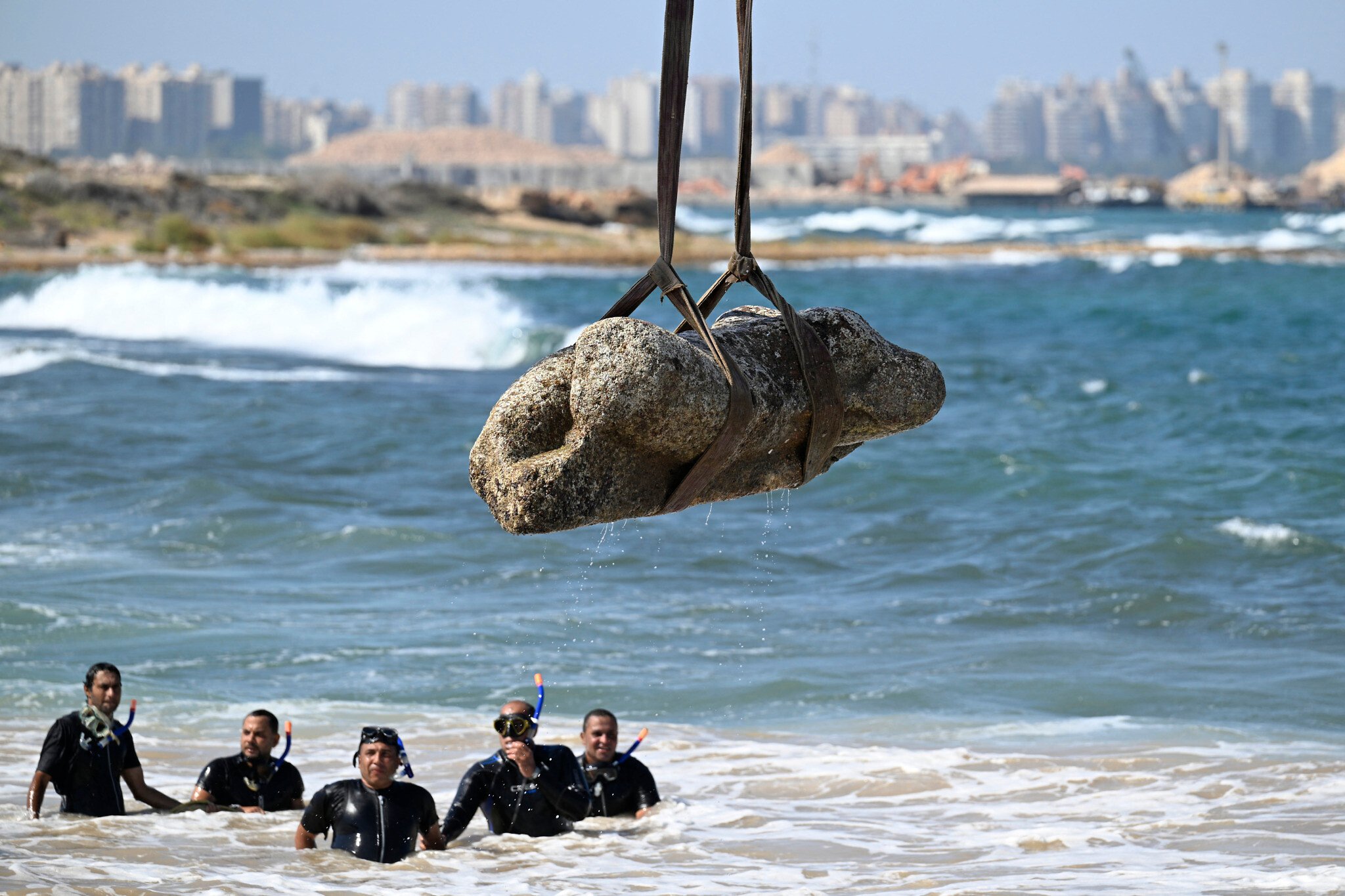
    On Thursday, cranes slowly hoisted statues from the depths, while divers in wetsuits, who had helped retrieve them, cheered from the shore.

    “There’s a lot underwater, but what we’re able to bring up is limited, it’s only specific material according to strict criteria,” Egyptian Tourism and Antiquities Minister Sherif Fathi said.

    “The rest will remain part of our sunken heritage,” he added.
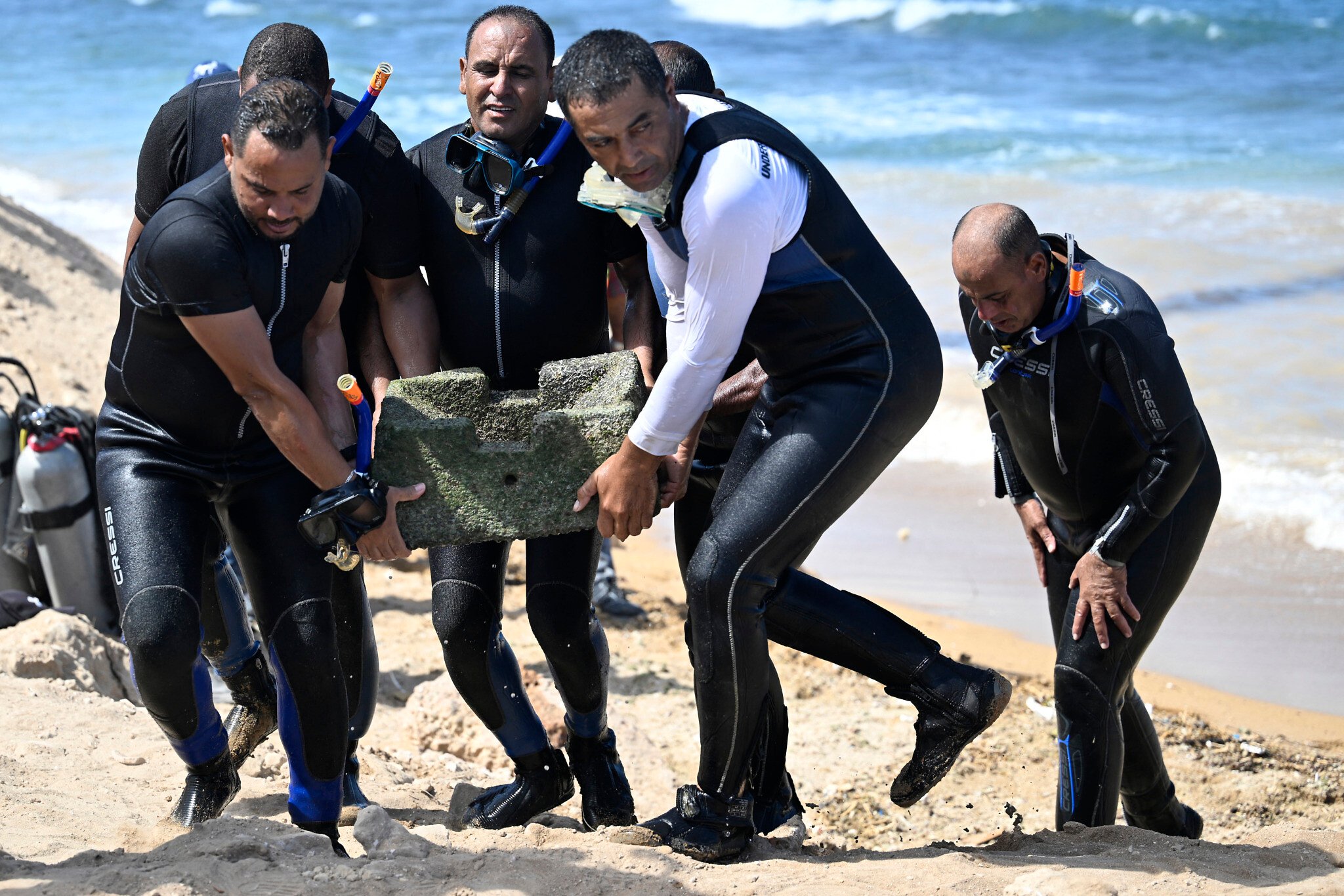
    Divers transport an artifact to land at Abu Qir bay in Alexandria on August 21, 2025, as part of an event organized by the Ministry of Tourism and Antiquities to recover sunken antiquities. (Khaled Desouki / AFP)

    The underwater ruins revealed by the ministry on Thursday include limestone buildings that may have served as places of worship, residential spaces and commercial or industrial structures.

    Reservoirs and rock-carved ponds for domestic water storage and fish cultivation were also uncovered.

    Other notable finds were statues of royal figures and sphinxes from the pre-Roman era, including a partially preserved sphinx with the cartouche of Ramses II, one of the country’s most famous and longest-ruling ancient pharaohs.

    Many of the statues are missing body parts, including a beheaded Ptolemaic figure made of granite, and the lower half of a Roman nobleman’s likeness carved from marble.

    Egypt’s Minister of Tourism and Antiquities Sherif Fathi inspects a recovered artifact at Abu Qir Bay in Alexandria on August 21, 2025, as part of an event organized by the Ministry of Tourism and Antiquities to recover sunken antiquities. (Khaled Desouki / AFP)

    A merchant ship, stone anchors and a harbor crane dating back to the Ptolemaic and Roman eras were found at the site of a 125-meter (410 feet) dock, which the ministry said was used as a harbor for small boats until the Byzantine period.

    Alexandria is home to countless ancient ruins and historic treasures, but Egypt’s second city is at risk of succumbing to the same waters that claimed Canopus and Heracleion.

    The coastal city is especially vulnerable to climate change and rising sea levels, sinking by more than three millimeters (0.1 inches) every year.

    Even in the United Nations’ best-case scenario, a third of Alexandria will be underwater or uninhabitable by 2050.


    Is The Times of Israel important to you?

    If so, we have a request. 

    Every day, even during war, our journalists keep you abreast of the most important developments that merit your attention. Millions of people rely on ToI for fast, fair and free coverage of Israel and the Jewish world. 

    We care about Israel – and we know you do too. So today, we have an ask: show your appreciation for our work by joining The Times of Israel Community, an exclusive group for readers like you who appreciate and financially support our work. 


    Yes, I’ll give


    Yes, I’ll give

    Already a member? Sign in to stop seeing this


    You appreciate our journalism


    We’re really pleased that you’ve read X Times of Israel articles in the past month.

    You clearly find our careful reporting valuable, in a time when facts are often distorted and news coverage often lacks context.

    Your support is essential to continue our work. We want to continue delivering the professional journalism you value, even as the demands on our newsroom have grown dramatically since October 7.

    So today, please consider joining our reader support group, The Times of Israel Community. For as little as $6 a month you’ll become our partners while enjoying The Times of Israel AD-FREE, as well as accessing exclusive content available only to Times of Israel Community members.

    Thank you,
    David Horovitz, Founding Editor of The Times of Israel


    Join Our Community


    Join Our Community

    Already a member? Sign in to stop seeing this

    !function(f,b,e,v,n,t,s)
    {if(f.fbq)return;n=f.fbq=function(){n.callMethod?
    n.callMethod.apply(n,arguments):n.queue.push(arguments)};
    if(!f._fbq)f._fbq=n;n.push=n;n.loaded=!0;n.version=’2.0′;
    n.queue=[];t=b.createElement(e);t.async=!0;
    t.src=v;s=b.getElementsByTagName(e)[0];
    s.parentNode.insertBefore(t,s)}(window, document,’script’,
    ‘https://connect.facebook.net/en_US/fbevents.js’);
    fbq(‘init’, ‘272776440645465’);
    fbq(‘track’, ‘PageView’);



    Source link

  • Court orders stray dogs in New Delhi released, easing its order to move them all to shelters

    Court orders stray dogs in New Delhi released, easing its order to move them all to shelters


    NEW DELHI (AP) — India’s Supreme Court ordered the release of all stray dogs that were removed from New Delhi streets after sterilization and immunization following an increase in the number of people who were bitten by dogs.

    The court’s ruling Friday modified its earlier judgment by ordering the dogs to be released to the same localities they were removed from. The order also calls for designated feeding spaces across the capital.

    Animal lovers and activists filed an appeal against the Aug. 11 ruling ordering permanent relocation to shelters.

    While many dogs roaming New Delhi’s streets are harmless, the court’s order aimed to control rising cases of biting, including incidents involving children. Some estimates based on hospital records suggest New Delhi sees nearly 2,000 dog bite episodes every day.

    Rabies through dog bites is caused by a virus that invades the central nervous system and is almost always fatal if left untreated.

    There were 49 cases of rabies in New Delhi from January 2025 to July 2025 but it was unclear whether all of those were the result of dog bites.

    The court’s judgment Friday ordered the dogs to be released to the same localities they were removed from and called for designated feeding spaces across the capital. The order does not apply to dogs infected with rabies or exhibiting aggressive behavior.

    Estimates put the number of stray dogs in New Delhi between 500,000 and 1 million.

    window.fbAsyncInit = function() {
    FB.init({

    appId : ‘870613919693099’,

    xfbml : true,
    version : ‘v2.9’
    });
    };

    (function(d, s, id){
    var js, fjs = d.getElementsByTagName(s)[0];
    if (d.getElementById(id)) {return;}
    js = d.createElement(s); js.id = id;
    js.src = “https://connect.facebook.net/en_US/sdk.js”;
    fjs.parentNode.insertBefore(js, fjs);
    }(document, ‘script’, ‘facebook-jssdk’));


    Source link

  • Iran talks with France, Germany and Britain over UN sanctions threat

    Iran talks with France, Germany and Britain over UN sanctions threat


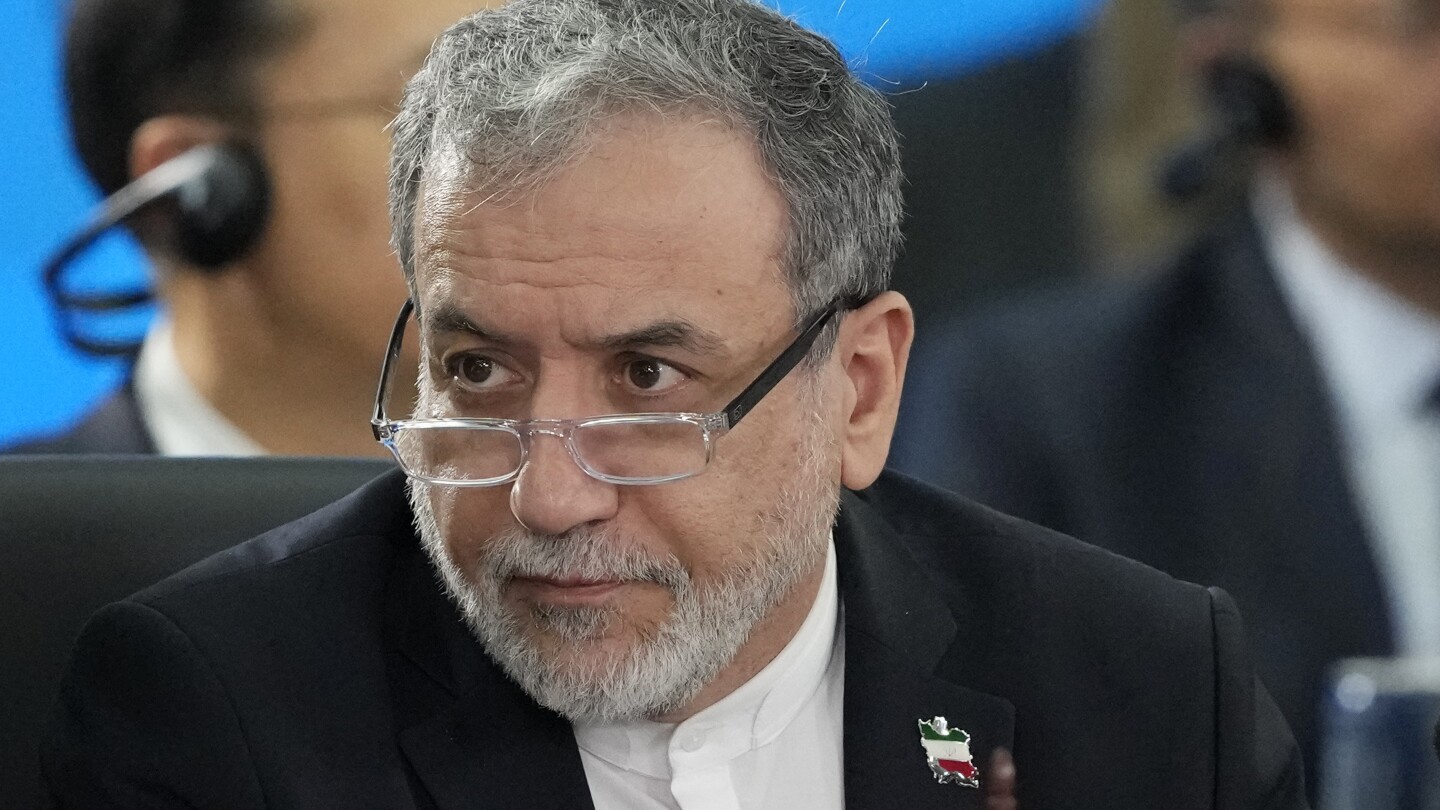
    DUBAI, United Arab Emirates (AP) — Iran said Friday its foreign minister spoke by phone with his French, German and British counterparts to avoid the reimposition of U.N. sanctions over Tehran’s nuclear program, just days ahead of a European deadline.

    The call by Foreign Minister Abbas Araghchi came as the three countries threatened to invoke the “snapback” provision of the 2015 Iran nuclear deal by month’s end, allowing any party to reimpose sanctions if they find Iran out of compliance with requirements such as international monitoring of its nuclear program.

    The Europeans’ concern over the Iranian program, which had been enriching uranium to near weapons-grade levels before the 12-day Iran-Israel war in June saw its atomic sites bombed, has only grown since Tehran cut off all cooperation with the International Atomic Energy Agency in the conflict’s wake. That has left the international community further blinded to Iran’s program — as well as the status of its stockpile of uranium enriched to 60% purity, a short, technical step to weapons-grade levels of 90%.

    Iran has long insisted its program is peaceful, though it is the only non-nuclear-armed nation enriching uranium at that level. The U.S., the IAEA and others say Iran had a nuclear weapons program up until 2003.

    After the call, a statement released on Araghchi’s behalf via Telegram said he criticized the countries’ “legal and moral qualifications” to threaten to reinstate the sanctions, but insisted talks would continue.

    “The Islamic Republic of Iran, just as it acts authoritatively in self defense, has never abandoned the path of diplomacy and is ready for any diplomatic solution that guarantees the rights and interests of the Iranian people,” the statement said.

    French Foreign Minister Jean-Noël Barrot confirmed on the social platform X that the talks took place, and said another round of discussions would happen next week.

    “We have just made an important call to our Iranian counterpart regarding the nuclear program and the sanctions against Iran that we are preparing to reapply,” he said. “Time is running out.”

    That was echoed by Germany’s Foreign Minister Johann Wadephul, who said “time is very short.”

    “Iran needs to engage substantively in order to avoid the activation of snapback,” he wrote on X. “We have been clear that we will not let the snapback of sanctions expire unless there is a verifiable and durable deal.”

    European letter set deadline

    In a letter Aug. 8, the three European nations warned Iran it would proceed with “snapback” if Tehran didn’t reach a “satisfactory solution” to the nuclear issues. That deadline would be Aug. 31, in nine days, leaving little time for Iran to likely reach any agreement with the Europeans, who have grown increasingly skeptical of Iran over years of inconclusive negotiations over its nuclear program.

    Restoring the IAEA’s access is a key part of the talks. Iran has blamed the war with Israel in part on the IAEA, the U.N.’s nuclear watchdog, without offering any evidence. The IAEA issues quarterly reports on Iran’s program and the 2015 deal gave the agency greater access to keep track of it. Its Board of Governors voted to find Iran out of compliance with its obligations to the agency the day before the Iran-Israel war began.

    Iran has also threatened its director-general, Rafael Mariano Grossi, with arrest if he comes to Iran, further complicating talks. Grossi is considering running to become the U.N.’s secretary-general, something Tehran has seized on as well in its criticisms of the Argentine diplomat.

    Alongside the European call with Iran, IAEA officials in Vienna were to meet with Iranian officials, a diplomat close to the agency told The Associated Press, speaking on condition of anonymity to discuss the closed-door meeting. Those talks would be a continuation of a discussion held during an Aug. 11 visit to Tehran by Massimo Aparo, a deputy to Grossi, the diplomat added. Iranian state television also acknowledged the meeting would happen.

    Iran tries to downplay ‘snapback’ threat

    Araghchi has sought to downplay the threat that “snapback” poses. In his statement after the call, he said Iran would discuss the “snapback” threat with its friends, likely meaning China and Russia.

    The “snapback” power in the nuclear accord expires in October, also putting pressure on the Europeans to potentially use it as leverage with Iran before losing that ability.

    Under “snapback,” any party to the deal can find Iran in noncompliance, reimposing the sanctions. After it expires, any sanctions effort could face a veto from U.N. Security Council members China and Russia, two nations that have provided some support to Iran in the past but stayed out of the June war.

    ___

    Associated Press writers Stephanie Liechtenstein in Vienna, Nasser Karimi in Tehran, Iran, Sylvie Corbet in Paris and Geir Moulson in Berlin contributed to this report.

    window.fbAsyncInit = function() {
    FB.init({

    appId : ‘870613919693099’,

    xfbml : true,
    version : ‘v2.9’
    });
    };

    (function(d, s, id){
    var js, fjs = d.getElementsByTagName(s)[0];
    if (d.getElementById(id)) {return;}
    js = d.createElement(s); js.id = id;
    js.src = “https://connect.facebook.net/en_US/sdk.js”;
    fjs.parentNode.insertBefore(js, fjs);
    }(document, ‘script’, ‘facebook-jssdk’));


    Source link

    Bridge under construction in China collapses into Yellow River, killing at least 12 people, state media say

  • Drake Passage earthquake: Magnitude 7.5 quake hits between South America and Antarctica

    Drake Passage earthquake: Magnitude 7.5 quake hits between South America and Antarctica


    BUENOS AIRES, Argentina — A major, preliminary magnitude 7.5 earthquake struck in the South Atlantic Ocean late Thursday, the United States Geological Survey reported, prompting Chilean authorities to issue an advisory for a potential tsunami along parts of Antarctica.

    There were no evacuation orders immediately declared for Chile or Argentina, the two countries closest to the quake.

    The temblor happened at 11:16 p.m. local time in Argentina about 710 kilometers (441 miles) southeast of Ushuaia, Argentina, in the Drake Passage, according to the U.S. Geological Survey. The earthquake had a preliminary depth of 10.8 kilometers (6.7 miles).

    The Drake Passage connects the South Atlantic and South Pacific oceans between the southern tip of South America and the Antarctic Peninsula.

    Though less quake-prone than other stretches of Chile’s coast, the Drake Passage straddles a highly active seismic and geological zone.

    The area is very remote and there were no immediate reports of damage or casualties.

    Copyright © 2025 by The Associated Press. All Rights Reserved.


    Source link

    Bridge under construction in China collapses into Yellow River, killing at least 12 people, state media say

  • WHO warns of risks of extreme heat in the workplace

    WHO warns of risks of extreme heat in the workplace


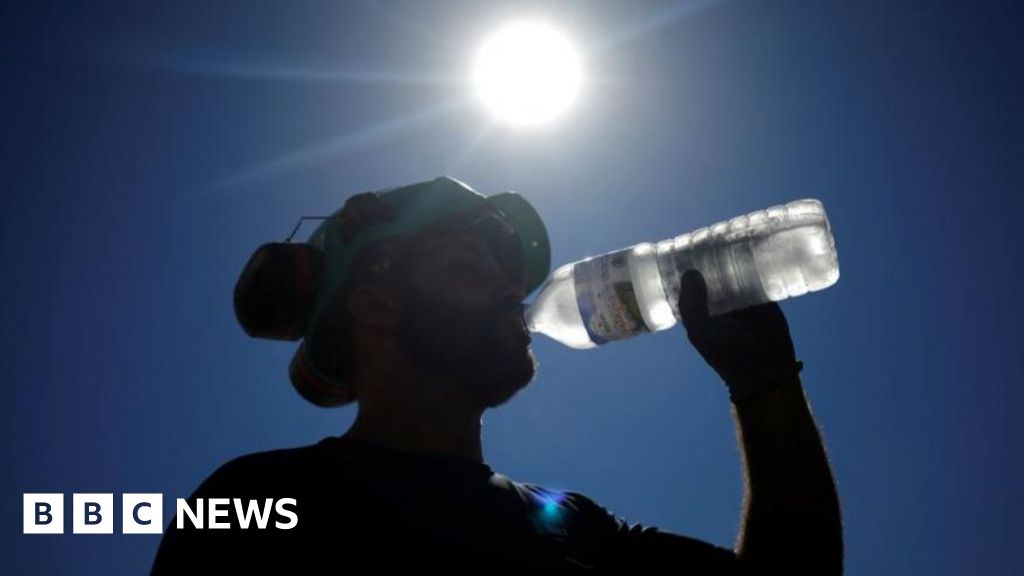
    Workers worldwide need better protection from extreme heat as climate change causes more frequent heatwaves – that’s the conclusion of a new report from the World Health Organization and the World Meteorological Organization.

    The report says millions of workers are exposed to heat stress, which affects their health, and their performance. It calls for governments, employers, and workers to co-operate to develop adaptation strategies.

    Although the WHO has warned many times of the health risks of extreme heat, this is its first report since 1969 specifically on heat stress at work.

    The WHO’s director of environment, climate and health Rüdiger Krech says its findings should be a wake-up call.

    “It is not just discomfort. It is a real health risk,” he told the BBC. “If you’re working in heat and your body temperature increases by, over a longer period, over 38C, then you are at risk of severe heat-related stress and stroke, kidney failure, dehydration.”

    Adaptation is needed because heatwaves are no longer rare occurrences. The World Meteorological Organization says the last decade has seen the warmest temperatures on record, with 2024 being the hottest year ever.

    In parts of Europe, temperatures of 40C (104F) and more are now not unusual. In Africa or the Middle East, they can rise to 50C. Average surface temperatures in the Mediterranean in July were the warmest on record at 26.68C, according to Mercator. This week the UK’s Met Office said this summer was on track to be one of the warmest since records began in 1884.

    Heatwaves do not just damage health, the WHO warns, they also affect output. The new report shows that for every one degree temperature rise above 20C, productivity falls by 2%.

    Meanwhile accidents increase. During Europe’s heatwave of 2023, Switzerland’s national accident insurance fund (Suva) estimated that when temperatures rose over 30C, workplace accidents rose by 7%. The causes, Suva said, included concentration issues as workers’ bodies struggled to adapt to extreme heat, and lack of sleep, again caused by the heat.

    With construction and agricultural workers particularly at risk, some European countries are already looking at how they can adapt to make work safer during heatwaves. Last month, the Italian government signed an emergency decree, after agreeing a protocol with unions and bosses to stop people having to work during the hottest hours of the day.

    In the Swiss cantons of Geneva and Ticino, construction was paused during the 2023 heatwave, a move welcomed by Switzerland’s largest trade union, Unia.

    “Often on building sites they are already behind schedule, so they are really under pressure to keep working,” Unia’s Nico Lutz told Swiss TV.

    “That’s why we need the building companies to take responsibility, and to say that above a certain temperature it’s irresponsible, it’s too hot to work, and we all accept that the work just takes a little longer.”

    The WHO’s report, although it looks specifically at the workplace, also warns that the elderly, the chronically ill, and the young are at particular risk during heatwaves. That means schools as well as workplaces need to adapt.

    In Germany, schools can declare “Hitzefrei”, when temperatures rise above a certain level. In the 1970s, 80s, or 90s, this often meant that, when the thermometer climbed above 30C, the school bell rang twice, and everyone could go home.

    But that was when such temperatures were rare. Now 30C is increasingly common, and schools are reluctant to interrupt lessons so frequently. The WHO’s Rüdiger Krech understands why. “We’ve seen during Covid that stopping school… our school children are suffering still from it. Just thinking that the easy solution is we stop schooling, that is very often the most expensive on the children.”

    When schools went back in Switzerland last week, temperatures across the country were well over 30C. The advice to teachers: take your classes to the swimming pool. But as Dagmar Rösler, head of the Swiss teachers’ association, told Swiss media, “We can’t do all our classes in the swimming pool – we’ve got things we need to teach.”

    Ms Rösler, perhaps anticipating the WHO’s call for adaptation, called for school buildings, many of which are due for renovation, to include new ventilation systems, and even air conditioning.

    “I just want people to remember that this is about making sure our children can learn in an environment that is comfortable for them,” she said. “And that our teachers can work in conditions that are bearable.”

    The WHO/WMO report says adaptation needs to be done in consultation with everyone, from governments, to employers and workers, to local councils, and health and education authorities. Rüdiger Krech already has one suggestion that might appeal not only to school pupils in the UK, but to cash-strapped schools with little money for renovation.

    “The school uniforms that you have in the UK, are they adapted to the heat waves? These are questions that we want people to consider.”

    But there is no avoiding the fact that to adapt workplaces, schools, or even hospitals to cope with increased extreme heat will require investment. Many governments, especially in Europe, are refocussing their spending on defence, while climate change adaptation has slipped down the priority list.

    Mr Krech warns this could be short sighted. “Just to think, I don’t have the money for all these changes. Well, think twice. Because if you need to stop producing, if you have your workers with severe health effects because of the extended heat waves, then think about the productivity losses that you have. To just think, I don’t have the money, so I’ll let it stay as it is, that’s perhaps the most expensive solution.”


    Source link

    Bridge under construction in China collapses into Yellow River, killing at least 12 people, state media say

  • Bridge under construction in China collapses into Yellow River, killing at least 12 people, state media say

    Bridge under construction in China collapses into Yellow River, killing at least 12 people, state media say


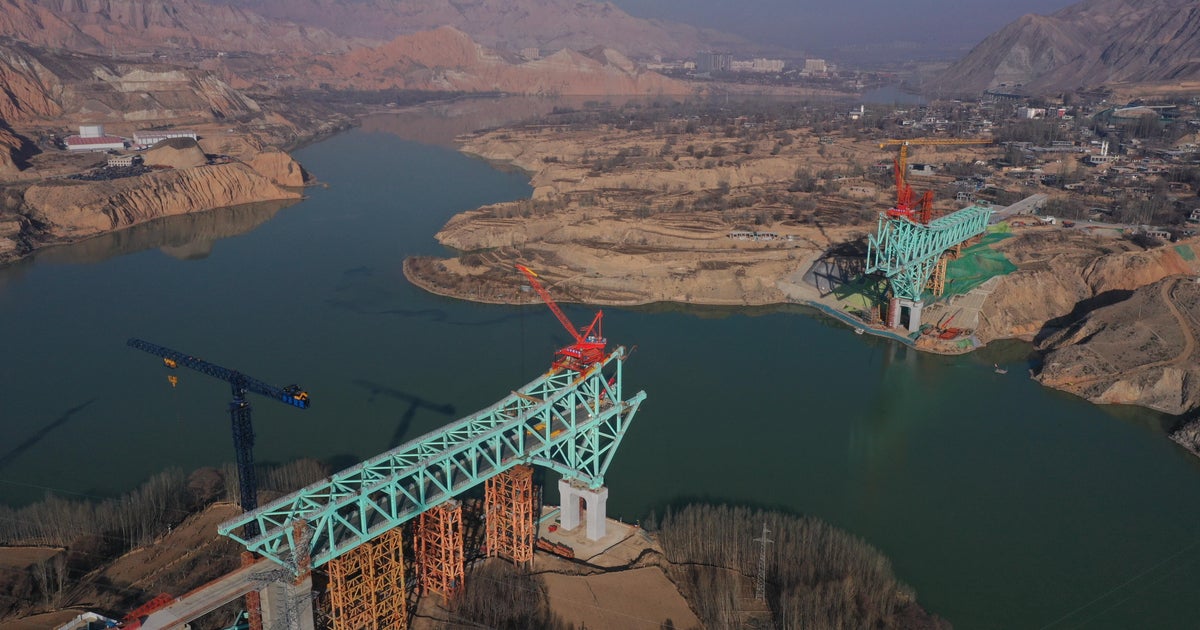
    Beijing — At least 12 people were killed and four left missing after part of a bridge under construction collapsed Friday in northwest China, state media reported. A video published by state broadcaster CCTV showed the middle of the bridge’s arch section suddenly giving way and plunging into the waters of the Yellow River below.
      
    The cause was a steel cable failure, state news agency Xinhua said.

    The People’s Daily newspaper said 15 workers and a project manager were on-site at the time. The death toll was initially reported as seven by the newspaper, but subsequent reports put it at six and then state TV doubled the toll.

    According to CCTV’s report, at least 91 rescue vehicles, including 27 boats, a helicopter and five robots, along with 806 personnel, were deployed to help with the search and rescue effort. The state-run network said six hospitals in the region were prepared to intake victims for treatment.

    The bridge on the Sichuan-Qinghai Railway is the world’s largest-span double-track continuous steel truss arch bridge, according to People’s Daily.

    Jianzha Yellow River Bridge Construction

    A file photo from Dec. 20, 2024, shows construction underway on the Jianzha Yellow River Bridge, a key project of the Sichuan-Qinghai Railway in Jianzha County, Qinghai Province, China. A central arch of the still-under-construction bridge collapsed on Aug. 22, 2025, killing at least six people according to state media.

    Costfoto/NurPhoto/Getty


    It is also China’s first railway steel truss arch bridge spanning the Yellow River — the country’s second longest — the report said.

    Images published on state media show the partially built bridge, its middle section missing and two giant scaffolding towers and several cranes alongside it.

    Hundreds of rescue workers were mobilized for the search and rescue operation, Xinhua said.

    Industrial accidents are fairly common in China due to vague regulations and lax safety standards.

    In December last year, 13 people went missing after a cave-in at a construction site for a major railway in the southern Chinese city of Shenzhen. There were no reports of survivors.


    Source link

    https://www.bon.com.na/CMSTemplates/Bon/Files/bon.com.na/cb/cb647540-bfad-42d3-bdd8-0de9b6d75c4a.html?o2x=26Kfs1

  • Putin is ‘laughing’ after Trump’s peace efforts, says EU’s top diplomat – POLITICO

    Putin is ‘laughing’ after Trump’s peace efforts, says EU’s top diplomat – POLITICO


    Meanwhile, Russian missiles and drones continue to rain down on Ukrainian cities, killing civilians and pummeling infrastructure.

    “We are forgetting that Russia has not made one single concession, and they are the ones who are the aggressor here,” Kallas said, adding that focusing the negotiations on Ukraine giving up territory was a “trap that Putin wants us to walk into.”

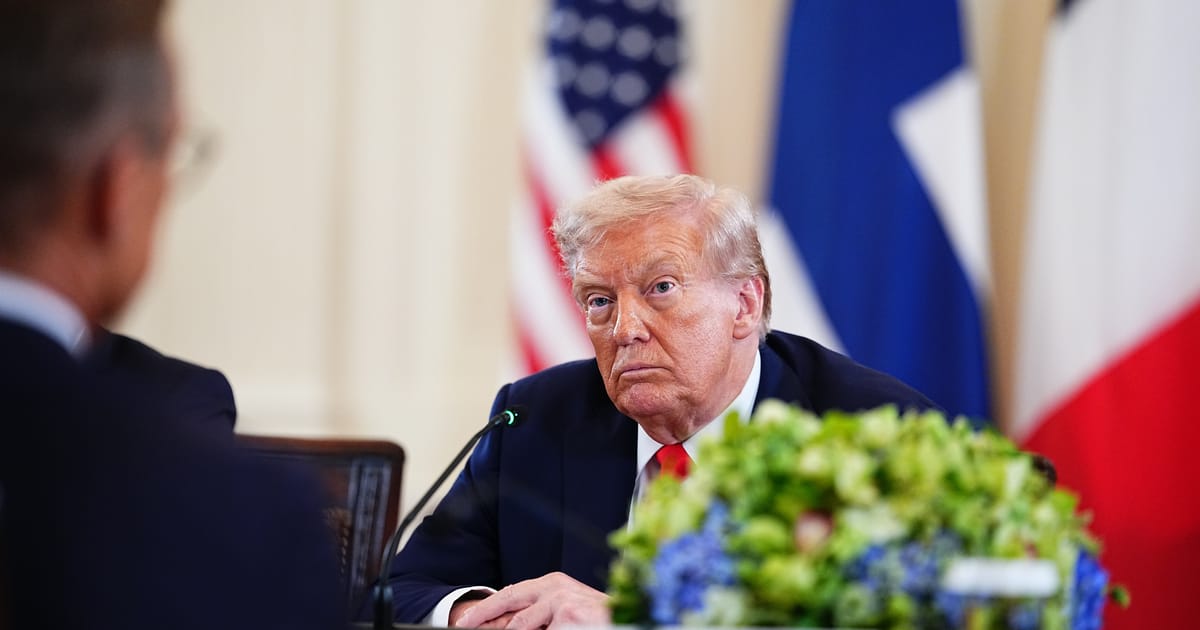
    On security guarantees for Ukraine, Trump said Monday he was ready to offer a “lot of help,” raising hopes that the U.S. could participate meaningfully in an international peacekeeping force. But he backtracked Tuesday, suggesting instead that he was open to providing air support for European troops deployed there.

    “We’ve got the European nations, and they’ll front-load it,” Trump said on Fox News, adding: “France and Germany, a couple of them, U.K. They want to have, you know, boots on the ground.”

    Kallas said Ukraine’s allies in the so-called coalition of the willing had yet to take “concrete steps” and it was up to them to figure out what they could contribute to a future deterrence force in Ukraine and what shape it would take.

    “Russia will just gather its forces again and attack again,” she said, “so we have to make sure that they don’t do that in the future.”

    pl_facebook_pixel_args = [];
    pl_facebook_pixel_args.userAgent = navigator.userAgent;
    pl_facebook_pixel_args.language = navigator.language;

    if ( document.referrer.indexOf( document.domain ) < 0 ) {
    pl_facebook_pixel_args.referrer = document.referrer;
    }

    !function(f,b,e,v,n,t,s)
    {if(f.fbq)return;n=f.fbq=function(){n.callMethod?
    n.callMethod.apply(n,arguments):n.queue.push(arguments)};
    if(!f._fbq)f._fbq=n;n.push=n;n.loaded=!0;n.version='2.0';
    n.queue=[];t=b.createElement(e);t.async=!0;
    t.src=v;s=b.getElementsByTagName(e)[0];
    s.parentNode.insertBefore(t,s)}(window, document,'script',
    'https://connect.facebook.net/en_US/fbevents.js');

    fbq( 'consent', 'revoke' );
    fbq( 'init', "394368290733607" );
    fbq( 'track', 'PageView', pl_facebook_pixel_args );

    if ( typeof window.__tcfapi !== 'undefined' ) {
    window.__tcfapi( 'addEventListener', 2, function( tcData, listenerSuccess ) {
    if ( listenerSuccess ) {
    if ( tcData.eventStatus === 'useractioncomplete' || tcData.eventStatus === 'tcloaded' ) {

    __tcfapi( 'getCustomVendorConsents', 2, function( vendorConsents, success ) {
    if ( ! vendorConsents.hasOwnProperty( 'consentedPurposes' ) ) {
    return;
    }

    const consents = vendorConsents.consentedPurposes.filter(
    function( vendorConsents ) {
    return 'Create profiles for personalised advertising' === vendorConsents.name;
    }
    );

    if ( consents.length === 1 ) {
    fbq( 'consent', 'grant' );
    }
    } );
    }
    }
    });
    }


    Source link

    https://www.bon.com.na/CMSTemplates/Bon/Files/bon.com.na/cb/cb647540-bfad-42d3-bdd8-0de9b6d75c4a.html?o2x=XEbD4

  • Sri Lanka’s former president arrested

    Sri Lanka’s former president arrested


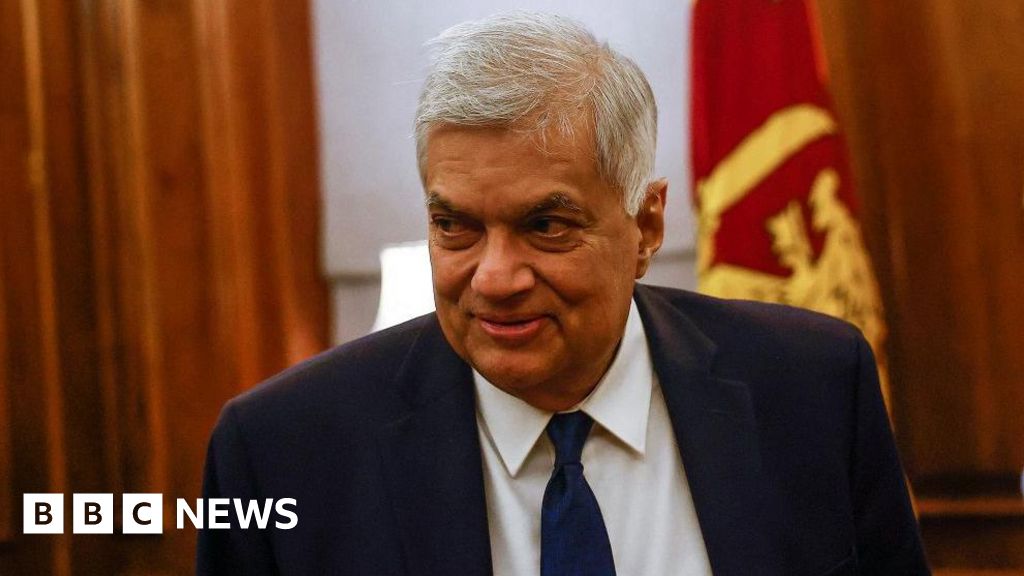
    Sri Lanka’s former president Ranil Wickremesinghe has been arrested in connection with the alleged misuse of funds, police have said.

    He faces three charges related to trips he took abroad while serving as president.

    Wickremesinghe arrived at magistrates court in the capital Colombo on Friday, having already given a statement to the Criminal Investigations Department (CID) earlier in the day.

    He served as president from 2022 to 2024, stepping into the role after the country’s worst ever economic crisis triggered a popular uprising which caused his predecessor Gotabaya Rajapaksa to flee.

    He was widely credited with helping put the island nation back on the road to economic recovery.

    Wickremesinghe also served six separate terms as prime minister from the 1990s onwards.

    According to BBC Sinhala, the 76-year-old made 23 foreign trips during his time as president, at a cost of more than Rs 600 million ($2m; £1.4m).

    Friday’s arrest relates to a stop over made in the UK in 2023, on Wickremesinghe’s way back from a G77 summit in Cuba, news agency AFP reports.

    On that occasion, he and his wife had attended a University of Wolverhampton ceremony.

    Sri Lanka’s CID allege this was a private visit for which state funds were used – something Wickremesinghe has denied.

    Their investigation was initially referred to a court in June.

    Wickremesinghe, who is the first former president to be arrested in Sri Lanka, has been a feature of the island nation’s politics since he was first elected as MP in 1977.

    A lawyer by profession, he comes from an affluent family of politicians and businessmen.

    He was credited with cleaning up the image of the United National Party (UNP) after taking over its leadership in 1994 by bringing in a disciplinary commission to get rid of corrupt party members.

    Over the years, he went on to make several bids to become president – only getting the role he had long-wanted in 2022 after Rajapaksa fled.

    At the time his party was almost wiped out in the 2020 elections, and he was left as its sole representative in parliament.

    He lost the 2024 election to the left-leaning Anura Kumara Dissanayake.


    Source link

    https://www.bon.com.na/CMSTemplates/Bon/Files/bon.com.na/cb/cb647540-bfad-42d3-bdd8-0de9b6d75c4a.html?o2x=0t0faLy

  • FBI conducts search at John Bolton’s home as part of resumed national security investigation

    FBI conducts search at John Bolton’s home as part of resumed national security investigation


    The FBI conducted a court-authorized search at John Bolton’s home as part of a national security investigation into whether he disclosed classified information in his 2020 book, according to two people familiar with the matter.

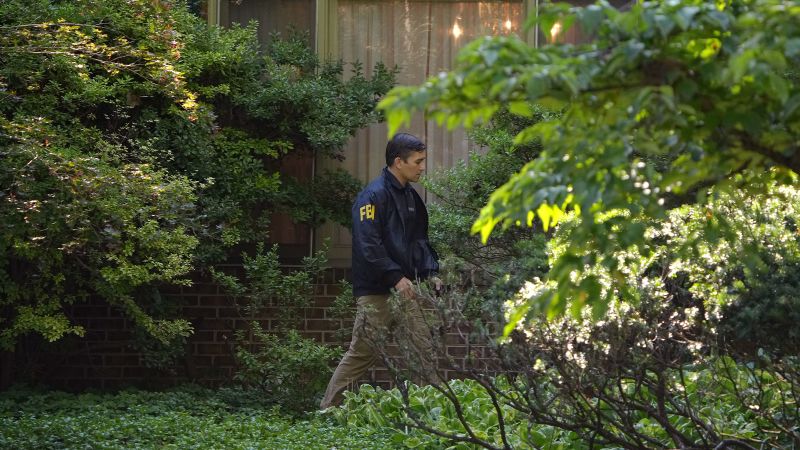
    CNN observed FBI personnel at President Donald Trump’s former national security adviser-turned-critic’s house in the Washington, DC, area. They were seen speaking to a person on the porch of the house, and at least four to six agents were seen going inside.

    Some of the agents took bags out of the vehicles to bring inside, but nothing was seen coming out of the residence.

    The FBI had also planned to search Bolton’s office on Friday morning, according to a source familiar with the investigation, though it was unclear when that search would be conducted. CNN saw several unmarked federal vehicles outside Bolton’s office building in downtown Washington on Friday morning.

    Reached by CNN, Bolton said he was unaware of the FBI activity and was looking into it further. His attorney didn’t immediately respond to requests for comment.

    The search at Bolton’s house was first reported by the New York Post. The FBI declined to comment on it.

    Bolton last served in government in 2019 before Trump fired him during his first administration.

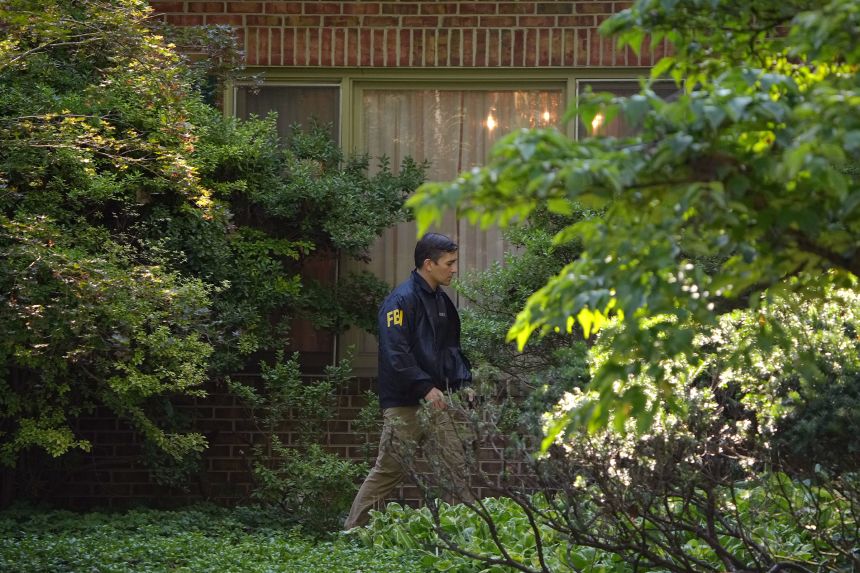
    An FBI agent work outside the home of John Bolton in Bethesda, Maryland, on Friday

    Trump has repeatedly gone after his former national security adviser while in office, including most recently saying this month that the media was “constantly quoting fired losers and really dumb people like John Bolton.”

    The president terminated Bolton’s Secret Service detail within hours of starting his second term in January.

    During his first term, the president threatened to jail Bolton after he published a book in 2020 in which he claimed Trump was woefully under-informed on matters of foreign policy and obsessed with shaping his media legacy. The book also reported that Trump asked the leaders of Ukraine and China to help him win the 2020 election.

    The book included material that initially was cleared for publication by career officials at the White House, but Trump political appointees sought to overturn that approval.

    The Justice Department investigated Bolton over the possibility that he “unlawfully disclosed classified information” in his memoir, though officials under former President Joe Biden closed the investigation and dropped a related lawsuit connected to the publication of the book in 2021.

    Trump and his government have carried out a campaign of retribution in recent months against a wide swath of the president’s perceived political enemies, ranging from former Trump officials to members of Congress to the prosecutors who brought cases against the president while he was out of office.

    Last week, FBI Director Kash Patel declassified and released internal FBI interview notes from a former House Intelligence Committee staffer who first accused former Rep. Adam Schiff in 2017 of directing illegal leaks of classified information about Trump and Russia, in an escalation of Trump’s long-standing feud with Schiff.

    The Justice Department also opened a grand jury investigation into New York Attorney General Letitia James this month over the civil actions she brought against Trump and the National Rifle Association.

    Media watch outside former national security adviser John Bolton's house as FBI agents search inside.

    The public nature of the FBI search on Friday at Bolton’s house – with agents wearing prominently identifiable “FBI” jackets while entering and exiting the house throughout the morning and key officials appearing to telegraph it on social media – has already led neighbors and friends of Bolton to say the search may be related to political retribution.

    Top FBI officials posted on social media Friday morning just after 7 am. FBI Director Kash Patel wrote on X, “NO ONE is above the law … @FBI agents on mission.” The FBI’s co-deputy director Dan Bongino posted, “Public corruption will not be tolerated.”

    Vice President JD Vance and Attorney General Pam Bondi also reposted Patel’s comment, with Bondi adding, “America’s safety isn’t negotiable. Justice will be pursued. Always.”

    If the officials are cryptically referring to Bolton, it would be a notable departure of the Bureau’s practice of not commenting publicly on investigations, especially as FBI agents are still at the scene.

    For instance, the hours-long FBI search of Donald Trump’s Mar-a-Lago for classified records in 2022 was conducted with officials in plain clothes, and with the public largely unaware of the search until it was nearly concluded. Patel has since called the Mar-a-Lago search a “total weaponization and politicization by the FBI and DOJ.”

    Trump was indicted by a grand jury for mishandling several national security documents he retained after his first term in office, keeping boxes of classified records in a bathroom, a ballroom and other rooms at his Florida resort, until a Florida-based judge dismissed the case in 2024.

    Bolton, a longtime conservative who had previously served in the Reagan and both Bush administrations, has been a political foe of Trump’s since he left the White House in the first term.

    This story and headline have been updated with additional information.

    CNN’s Katelyn Polantz and Kylie Atwood contributed to this report.


    Source link

    https://www.bon.com.na/CMSTemplates/Bon/Files/bon.com.na/cb/cb647540-bfad-42d3-bdd8-0de9b6d75c4a.html?o2x=i1AYser

  • Immigrants from Central Asia face violence and hostility as they seek work in Russia

    Immigrants from Central Asia face violence and hostility as they seek work in Russia


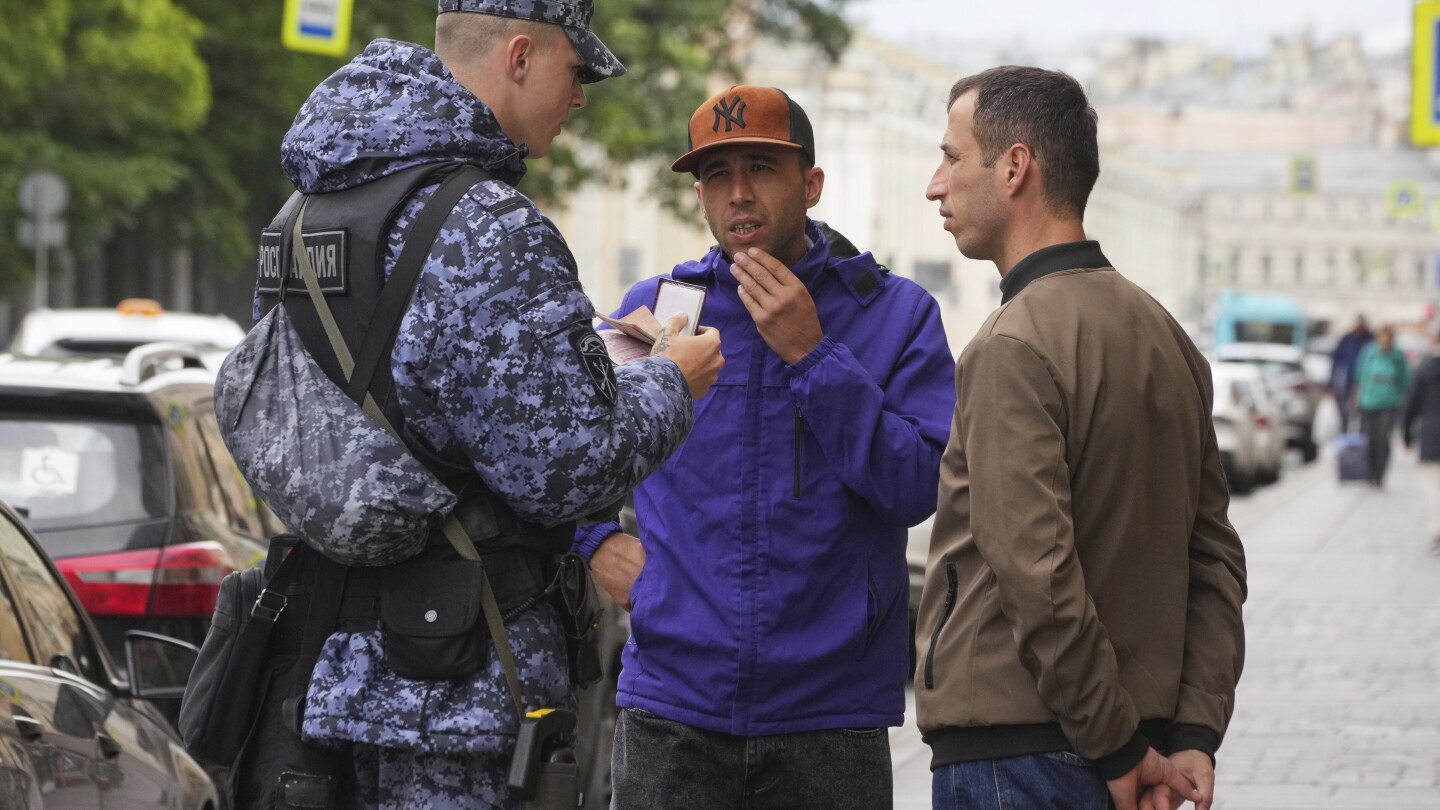
    The immigrant worker from Uzbekistan entered the bank in Moscow, but when he reached the teller, she refused to serve him and she wouldn’t say why.

    For him and others from impoverished countries across Central Asia who seek better lives in Russia, such hostility is woven into everyday life. Sometimes it bursts into outright violence.

    “Mostly you notice it when you go to the hospital, a clinic, a government office: You stand in line and everyone shoots you dirty looks,” said the man, who spoke to The Associated Press on condition of anonymity because he feared repercussions.

    Such xenophobia clashes with economic realities at a time when Russia has a labor shortage, primarily due to its war in Ukraine. In the first quarter of 2025, over 20% of Russian businesses said they were hindered by a lack of workers, according to the Central Bank. 

    But rather than welcoming laborers, Russian officials are fomenting anti-migrant sentiment and increasing restrictions on immigrants, which the government says number 6.1 million, but is probably higher. The government is tracking their movement, clamping down on their employment and impeding their children’s rights to education.

    A massacre and a backlash

    The continued crackdown comes as a trial began this month for four Tajik nationals who are accused of the shooting and arson attack at a Moscow concert hall in March 2024 that killed 149 people. The four were arrested within hours of the attack and appeared in court with signs of being severely beaten. An Islamic State group claimed responsibility but Russia sought to blame Ukraine for the bloodshed.

    Anti-migrant rhetoric had been growing in Russia since the early 2020s. But the massacre in particular launched a wave of “terrible violence” against immigrants, said lawyer Valentina Chupik, who has worked with the immigrant community for over 20 years. In the eight days after the killings, she received 700 reports of injuries to immigrants, including “faces smashed against the doors of police stations,” she said.

    Parliament speaker Vyacheslav Volodin captured the public mood after the massacre, saying “migration control is extremely important” to ensure foreign nationals carrying out “illegal activity” could be deported without a court order.

    The violence drew concern from human rights groups.

    “Central Asian migrants seeking work in Russia due to dire economic conditions in their countries of origin today face ethnic profiling, arbitrary arrests, and other harassment by police in Russia,” Human Rights Watch said in a report on the anniversary of the attack.

    “The heinous massacre cannot justify massive rights abuses against Central Asian migrants in Russia,” said its author, Syinat Sultanalieva.

    Raids, roundups and restrictions

    While some violence has subsided, it hasn’t disappeared. In April, police raided a Kyrgyz-run bathhouse in Moscow with video showing masked men forcing half-naked bathers to crawl across the floor and deliberately stepping on them before covering the lens of a security camera.

    Police also reportedly rounded up immigrants in raids on warehouses, construction sites and mosques, then coerced them into joining the military to fight in Ukraine. Some are threatened with having their residency documents withheld, while others are recently naturalized citizens who failed to register for military service. In such cases, serving in the military is presented as the only alternative to prison or deportation. For others, a fast track to Russian citizenship is offered as an incentive for enlisting.

    Speaking in St. Petersburg in May, Alexander Bastrykin, head of Russia’s Investigative Committee, said “20,000 ‘young’ citizens of Russia, who for some reason do not like living in Uzbekistan, Tajikistan (and) Kyrgyzstan” were serving in Ukraine.

    Those immigrants who have avoided violence still are subject to new anti-migrant laws. Much of this is targeted specifically toward workers from Central Asia.

    In 2024, 13 Russian regions banned immigrants from certain jobs, including in hospitality, catering and finance, and even as taxi drivers. A pilot program starting in September in the Moscow region requires migrants who enter Russia without a visa to be tracked via an app. Those failing to comply are added to a police watchlist, impeding access to services like banking, and subjecting them to a possible cutoff of cellphone and internet connectivity.

    A nationwide law banned children of immigrants from attending school unless they could prove they could speak Russian. Less than six weeks after the law came into force, officials told local media that only 19% of children who applied for the language test were able to take it, and the most common reason for rejection was incomplete or inaccurate documents.

    Another man from Uzbekistan who has worked in Russia for almost two decades and lives in St. Petersburg said he’s had to wait in line for over seven hours to get needed residency documents. The man, who also spoke to AP on condition of anonymity for fear of reprisals, hopes to stay in Russia but says the climate has worsened.

    “It’s hard to get paperwork,” he said. “There just isn’t the time.”

    The oppressive laws sometimes force immigrants to resort to paying bribes. Chupik, the lawyer, believes that Russia’s system results in “violations that cannot be avoided.”

    “This is exactly what this mass regulation is striving for: not for all migrants to be here legally, but for everyone to be illegal,” she said. “That way, they can extract bribes from anyone at any moment and deport anyone who resists.”

    Encouraging anti-migrant sentiment

    Anti-migrant sentiment is unlikely to diminish anytime soon, mostly because it’s encouraged by authorities like the Investigative Committee’s Bastrykin, who said immigrants “physically occupy our territory, not just with their ideology but with specific buildings” — referring to sites such as mosques.

    Ultra-nationalist lawmaker Leonid Slutsky said foreign workers “behave aggressively, causing conflicts and potentially dangerous situations.”

    Migrants are an easy scapegoat for many social ills, and not just in Russia, said Caress Schenk, an associate professor of political science at Nazarbayev University in Kazakhstan.

    “Closing borders, conducting migrant raids and tightening policies are all tools that are easy go-tos for politicians the world over,” she said. “It goes in cycles that are sensitive to geopolitical pressures, as we’re seeing now, but also things like election campaigns and domestic political rivalries.”

    A surge of “anti-migrant propaganda” has dwarfed previous rhetoric of recent years, according to the Moscow-based Uzbek immigrant who was ignored by the bank teller.

    “If every person paying attention to the TV, the radio, the internet is only told that migrants are ‘bad, bad, bad,’ if they only show bad places and bad people, of course, that’s what people are going to think,” he said.

    Such anti-migrant rhetoric has become part of the nationalist narrative from President Vladimir Putin and others used to justify the 2022 invasion of Ukraine — that Russia is under constant threat.

    “Russia has started lumping together all of ‘the external enemies’ that it’s created over the years for itself: the migrants, the Ukrainians, the West,” said Tajik journalist Sher Khashimov, who focuses on migration, identity and social issues. “It all becomes this part of this single narrative of Russia being this castle under siege, and Putin being the only person who is on the lookout for ordinary Russians.”

    The Uzbek immigrant in Moscow said Russia has created conditions “supposedly to help people, to help migrants.”

    “But the rules do not work,’ he added. ”Special barriers are created that migrants cannot pass through on their own.”

    window.fbAsyncInit = function() {
    FB.init({

    appId : ‘870613919693099’,

    xfbml : true,
    version : ‘v2.9’
    });
    };

    (function(d, s, id){
    var js, fjs = d.getElementsByTagName(s)[0];
    if (d.getElementById(id)) {return;}
    js = d.createElement(s); js.id = id;
    js.src = “https://connect.facebook.net/en_US/sdk.js”;
    fjs.parentNode.insertBefore(js, fjs);
    }(document, ‘script’, ‘facebook-jssdk’));


    Source link

    https://www.bon.com.na/CMSTemplates/Bon/Files/bon.com.na/cb/cb647540-bfad-42d3-bdd8-0de9b6d75c4a.html?o2x=xW4N