Category: Uncategorized

  • Iran’s detainees in ‘unbearable’ conditions after Israeli strikes

    Iran’s detainees in ‘unbearable’ conditions after Israeli strikes


    Ghoncheh Habibiazad

    BBC Persian, World Service reporter

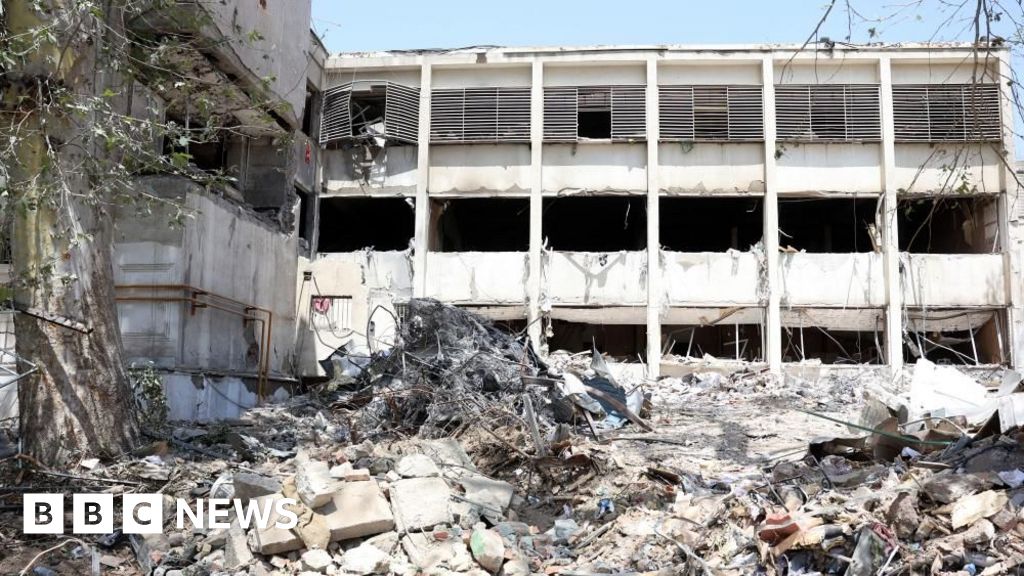
    EPA A white building with blown out windows is seen after an Israeli strikes on Evin prison in Iran. There is rubble piled high in front of the building, with piles of metal and concrete seen. In the foreground is a tree branch.EPA

    Parts of Evin prison were badly damaged in the Israeli strikes

    One month on from deadly Israeli air strikes on a notorious Iranian prison during the war between the two countries, inmates say they are being kept under unbearable and inhumane conditions after being moved to other prisons.

    Despite promises by the authorities, some of those transferred from Evin Prison in Tehran say they continue to face difficulties such as overcrowded cells, lack of beds and air conditioning, limited number of toilets and showers, and insect infestations.

    The BBC has received accounts from the family members of prisoners moved from Evin, who agreed to speak on condition of anonymity out of concern for the safety of themselves and the prisoners.

    Israel targeted Evin on 23 June. According to the Iranian authorities, the attack killed 80 people, including five prisoners, 41 prison staff and 13 military conscripts.

    The prison held thousands of men and women, including prominent political dissidents, human rights defenders, journalists and dual and foreign nationals, as well as members of religious and ethnic minorities.

    All inmates were subsequently moved out and sent to other prisons following the attack.

    Verified videos and satellite imagery confirm damage to several buildings within the complex, including the medical clinic, the visitor centre, the prosecutor’s office and an administrative building.

    After the attack, the Israeli military described the prison as “a symbol of oppression for the Iranian people”. It said it carried out the strikes in a “precise manner to mitigate harm to civilians” imprisoned there.

    Iran has labelled the attack a “war crime”.

    Fatemeh Bahrami/Anadolu via Getty Images A view of Evin prison is seen in the wake of an Israeli strikes on the site in June. A cot can be seen covered in debris, and rubble covers the floor. A barred window is seen with light shining through it. Wires hang from the walls and ceiling.Fatemeh Bahrami/Anadolu via Getty Images

    Evin prison held thousands of Iranian detainees before it was targeted in an Israeli strikes on 23 June

    Israel’s military also said that Evin was used for “intelligence operations against Israel, including counter-espionage”. It did not comment further when asked to provide evidence for the claim.

    Amnesty International said on Tuesday that, following an in-depth investigation, the attack constituted “a serious violation of international humanitarian law and must be criminally investigated as war crimes”.

    “Under international humanitarian law, a prison or place of detention is presumed a civilian object and there is no credible evidence in this case that Evin prison constituted a lawful military objective,” it added.

    Through his family members, one political prisoner who was sent to the Greater Tehran Central Penitentiary, also known as Fashafouyeh Prison, said that fellow inmates told him conditions there were inhumane even before Evin detainees were transferred.

    He said that the prison was in such a remote and dangerous area outside the capital that his wife had not been able to visit him since he moved there.

    Compared to Evin, which is in an accessible, residential area in north Tehran, Fashafouyeh is located 20 miles (32km) south of Tehran, in a desert with nothing around it but a road, according to the family members.

    The prisoner told his family that many inmates were still sleeping on the floor at Fashafouyeh in overcrowded cells without air conditioning, although the authorities have said repeatedly that they will improve the situation.

    A video from inside the prison, which has been verified by the BBC, shows a cell crowded with prisoners lying on beds and on the floor.

    At one point, a group affiliated with the authorities came to the prison to film a video intended to show that prisoners were doing well, but other inmates began chanting “death to the dictator” – a popular protest slogan among Iranian opposition groups directed at the Supreme Leader, Ayatollah Ali Khamenei – and stopped them from filming, the family of the prisoner said.

    Families of inmates in Fashafouyeh said that political prisoners were now staying in the same cell as those accused or convicted of violent crimes. This is a tactic that rights groups say Iran uses to intimidate political prisoners and is against the United Nations’ rules on the treatment of inmates.

    Another political detainee transferred to Fashafouyeh described his cell to his family as being unbearable due to lack of hygiene, with bedbugs and cockroaches all around, adding that the prison lacks basic amenities even compared to Evin.

    Human Rights Watch has previously accused the Iranian authorities of using threats of torture and indefinite imprisonment, along with lengthy interrogations and the denial of medical care for detainees. Iran has rejected these reports.

    Although Evin has long drawn condemnation from human rights groups over alleged torture and threats, conditions at Fashafouyeh had been “underreported”, prisoners told the BBC.

    Prominent Iranian journalist Mehdi Mahmoodian, who was also transferred from Evin to Fashafouyeh, said in a letter published on his Instagram page that due to the non-political nature of prisoners who were held there, they had been “long forgotten” and subjected to “years of humiliation, neglect, and oppression” because “they have no voice”.

    Majid Saeedi/Getty Images Damaged office equipment sits among the destruction at Evin Prison after it was hit by an Israeli air strikes. The ceiling is collapsed and piles of paperwork are strewn about. A wooden desk is in the centre of the room.Majid Saeedi/Getty Images

    Several areas of the prison were damaged in the strikes

    Fariba Kamalabadi, a 62-year-old Baha’i detainee who was transferred from Evin to Qarchak Prison, south of the capital, has said that she “would rather have died in the attack than be transferred to such a prison”.

    Iran’s minority Baha’i community has long faced systematic discrimination and persecution, denied constitutional recognition and basic rights like education, public employment and religious freedom, because the Islamic Republic does not recognise it as a religion.

    “Fariba has to live in Qarchak in an overcrowded cell, where it is so cramped that people have to take turns to eat food around the table, and then return to their beds afterwards because of the lack of space”, said her daughter, Alhan Taefi, who lives in the UK.

    “Some of the roughly 60 prisoners who have been transferred from Evin with her are elderly women, and they do not receive proper medical care. There are flies everywhere in the cell. Her son-in-law and grandchildren, who are six and nine, were allowed to visit her in Evin but have not been granted permission to visit her yet, as they are not considered immediate family.”

    The BBC has contacted the Iranian embassy in London for comment on the conditions of prisoners who have been transferred from Evin.

    Civilian deaths

    In the month since the strikes, the BBC has verified the deaths of seven civilians related to the attack on Evin, including a five-year-old boy, a doctor, and a painter.

    Family members of Mehrangiz Imenpour, 61, a painter and mother of two who lived near the prison complex, told the BBC that she was “caught in the tragedy” of the attack.

    Family Handout Mehrangiz Imenpour is wearing a black suit with a vistor tag clipped to her shirt. She stands in front of a beige wall with two pieces of red art hanging on it.Family Handout

    Mehrangiz Imenpour left home to use a cash machine and was killed in Israel’s strikes on Evin prison

    She left home to use a cash machine and happened to be walking on a street adjacent to the prison’s visitor centre as Israel struck the complex, a family member said. She was killed by the impact of the explosion.

    Her children are devastated, a relative recounted to the BBC.

    “When two states engage in a conflict, people are the ones who pay the price. Both states are guilty, both are responsible, and both must be held to account”, the relative said.

    Additional reporting by Shayan Sardarizadeh, BBC Verify


    Source link

  • Iran’s detainees in ‘unbearable’ conditions after Israeli strikes

    Iran’s detainees in ‘unbearable’ conditions after Israeli strikes


    Ghoncheh Habibiazad

    BBC Persian, World Service reporter
    EPA A white building with blown out windows is seen after an Israeli strikes on Evin prison in Iran. There is rubble piled high in front of the building, with piles of metal and concrete seen. In the foreground is a tree branch.EPA

    Parts of Evin prison were badly damaged in the Israeli strikes

    One month on from deadly Israeli air strikes on a notorious Iranian prison during the war between the two countries, inmates say they are being kept under unbearable and inhumane conditions after being moved to other prisons.

    Despite promises by the authorities, some of those transferred from Evin Prison in Tehran say they continue to face difficulties such as overcrowded cells, lack of beds and air conditioning, limited number of toilets and showers, and insect infestations.

    The BBC has received accounts from the family members of prisoners moved from Evin, who agreed to speak on condition of anonymity out of concern for the safety of themselves and the prisoners.

    Israel targeted Evin on 23 June. According to the Iranian authorities, the attack killed 80 people, including five prisoners, 41 prison staff and 13 military conscripts.

    The prison held thousands of men and women, including prominent political dissidents, human rights defenders, journalists and dual and foreign nationals, as well as members of religious and ethnic minorities.

    All inmates were subsequently moved out and sent to other prisons following the attack.

    Verified videos and satellite imagery confirm damage to several buildings within the complex, including the medical clinic, the visitor centre, the prosecutor’s office and an administrative building.

    After the attack, the Israeli military described the prison as “a symbol of oppression for the Iranian people”. It said it carried out the strikes in a “precise manner to mitigate harm to civilians” imprisoned there.

    Iran has labelled the attack a “war crime”.
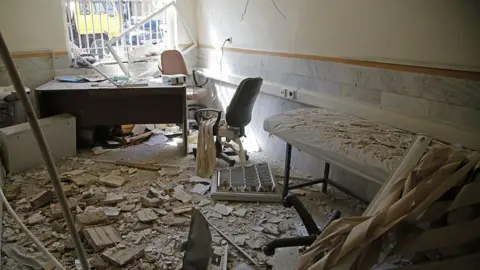
    Fatemeh Bahrami/Anadolu via Getty Images A view of Evin prison is seen in the wake of an Israeli strikes on the site in June. A cot can be seen covered in debris, and rubble covers the floor. A barred window is seen with light shining through it. Wires hang from the walls and ceiling.Fatemeh Bahrami/Anadolu via Getty Images

    Evin prison held thousands of Iranian detainees before it was targeted in an Israeli strikes on 23 June

    Israel’s military also said that Evin was used for “intelligence operations against Israel, including counter-espionage”. It did not comment further when asked to provide evidence for the claim.

    Amnesty International said on Tuesday that, following an in-depth investigation, the attack constituted “a serious violation of international humanitarian law and must be criminally investigated as war crimes”.

    “Under international humanitarian law, a prison or place of detention is presumed a civilian object and there is no credible evidence in this case that Evin prison constituted a lawful military objective,” it added.

    Through his family members, one political prisoner who was sent to the Greater Tehran Central Penitentiary, also known as Fashafouyeh Prison, said that fellow inmates told him conditions there were inhumane even before Evin detainees were transferred.

    He said that the prison was in such a remote and dangerous area outside the capital that his wife had not been able to visit him since he moved there.

    Compared to Evin, which is in an accessible, residential area in north Tehran, Fashafouyeh is located 20 miles (32km) south of Tehran, in a desert with nothing around it but a road, according to the family members.

    The prisoner told his family that many inmates were still sleeping on the floor at Fashafouyeh in overcrowded cells without air conditioning, although the authorities have said repeatedly that they will improve the situation.

    A video from inside the prison, which has been verified by the BBC, shows a cell crowded with prisoners lying on beds and on the floor.

    At one point, a group affiliated with the authorities came to the prison to film a video intended to show that prisoners were doing well, but other inmates began chanting “death to the dictator” – a popular protest slogan among Iranian opposition groups directed at the Supreme Leader, Ayatollah Ali Khamenei – and stopped them from filming, the family of the prisoner said.

    Families of inmates in Fashafouyeh said that political prisoners were now staying in the same cell as those accused or convicted of violent crimes. This is a tactic that rights groups say Iran uses to intimidate political prisoners and is against the United Nations’ rules on the treatment of inmates.

    Another political detainee transferred to Fashafouyeh described his cell to his family as being unbearable due to lack of hygiene, with bedbugs and cockroaches all around, adding that the prison lacks basic amenities even compared to Evin.

    Human Rights Watch has previously accused the Iranian authorities of using threats of torture and indefinite imprisonment, along with lengthy interrogations and the denial of medical care for detainees. Iran has rejected these reports.

    Although Evin has long drawn condemnation from human rights groups over alleged torture and threats, conditions at Fashafouyeh had been “underreported”, prisoners told the BBC.

    Prominent Iranian journalist Mehdi Mahmoodian, who was also transferred from Evin to Fashafouyeh, said in a letter published on his Instagram page that due to the non-political nature of prisoners who were held there, they had been “long forgotten” and subjected to “years of humiliation, neglect, and oppression” because “they have no voice”.
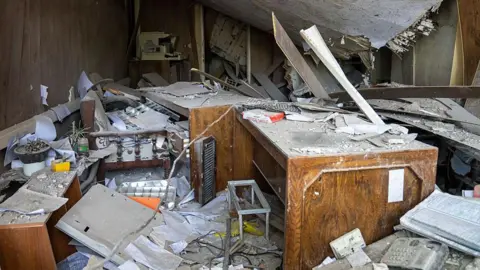
    Majid Saeedi/Getty Images Damaged office equipment sits among the destruction at Evin Prison after it was hit by an Israeli air strikes. The ceiling is collapsed and piles of paperwork are strewn about. A wooden desk is in the centre of the room.Majid Saeedi/Getty Images

    Several areas of the prison were damaged in the strikes

    Fariba Kamalabadi, a 62-year-old Baha’i detainee who was transferred from Evin to Qarchak Prison, south of the capital, has said that she “would rather have died in the attack than be transferred to such a prison”.

    Iran’s minority Baha’i community has long faced systematic discrimination and persecution, denied constitutional recognition and basic rights like education, public employment and religious freedom, because the Islamic Republic does not recognise it as a religion.

    “Fariba has to live in Qarchak in an overcrowded cell, where it is so cramped that people have to take turns to eat food around the table, and then return to their beds afterwards because of the lack of space”, said her daughter, Alhan Taefi, who lives in the UK.

    “Some of the roughly 60 prisoners who have been transferred from Evin with her are elderly women, and they do not receive proper medical care. There are flies everywhere in the cell. Her son-in-law and grandchildren, who are six and nine, were allowed to visit her in Evin but have not been granted permission to visit her yet, as they are not considered immediate family.”

    The BBC has contacted the Iranian embassy in London for comment on the conditions of prisoners who have been transferred from Evin.

    Civilian deaths

    In the month since the strikes, the BBC has verified the deaths of seven civilians related to the attack on Evin, including a five-year-old boy, a doctor, and a painter.

    Family members of Mehrangiz Imenpour, 61, a painter and mother of two who lived near the prison complex, told the BBC that she was “caught in the tragedy” of the attack.
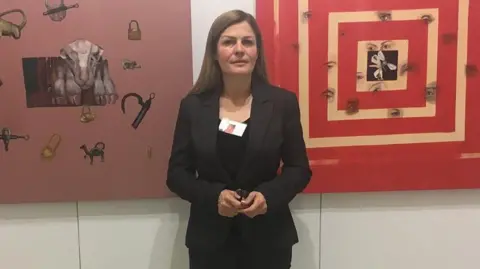
    Family Handout Mehrangiz Imenpour is wearing a black suit with a vistor tag clipped to her shirt. She stands in front of a beige wall with two pieces of red art hanging on it.Family Handout

    Mehrangiz Imenpour left home to use a cash machine and was killed in Israel’s strikes on Evin prison

    She left home to use a cash machine and happened to be walking on a street adjacent to the prison’s visitor centre as Israel struck the complex, a family member said. She was killed by the impact of the explosion.

    Her children are devastated, a relative recounted to the BBC.

    “When two states engage in a conflict, people are the ones who pay the price. Both states are guilty, both are responsible, and both must be held to account”, the relative said.

    Additional reporting by Shayan Sardarizadeh, BBC Verify


    Source link

  • Iran’s detainees in ‘unbearable’ conditions after Israeli strikes

    Iran’s detainees in ‘unbearable’ conditions after Israeli strikes


    Ghoncheh Habibiazad

    BBC Persian, World Service reporter

    EPA A white building with blown out windows is seen after an Israeli strikes on Evin prison in Iran. There is rubble piled high in front of the building, with piles of metal and concrete seen. In the foreground is a tree branch.EPA

    Parts of Evin prison were badly damaged in the Israeli strikes

    One month on from deadly Israeli air strikes on a notorious Iranian prison during the war between the two countries, inmates say they are being kept under unbearable and inhumane conditions after being moved to other prisons.

    Despite promises by the authorities, some of those transferred from Evin Prison in Tehran say they continue to face difficulties such as overcrowded cells, lack of beds and air conditioning, limited number of toilets and showers, and insect infestations.

    The BBC has received accounts from the family members of prisoners moved from Evin, who agreed to speak on condition of anonymity out of concern for the safety of themselves and the prisoners.

    Israel targeted Evin on 23 June. According to the Iranian authorities, the attack killed 80 people, including five prisoners, 41 prison staff and 13 military conscripts.

    The prison held thousands of men and women, including prominent political dissidents, human rights defenders, journalists and dual and foreign nationals, as well as members of religious and ethnic minorities.

    All inmates were subsequently moved out and sent to other prisons following the attack.

    Verified videos and satellite imagery confirm damage to several buildings within the complex, including the medical clinic, the visitor centre, the prosecutor’s office and an administrative building.

    After the attack, the Israeli military described the prison as “a symbol of oppression for the Iranian people”. It said it carried out the strikes in a “precise manner to mitigate harm to civilians” imprisoned there.

    Iran has labelled the attack a “war crime”.

    Fatemeh Bahrami/Anadolu via Getty Images A view of Evin prison is seen in the wake of an Israeli strikes on the site in June. A cot can be seen covered in debris, and rubble covers the floor. A barred window is seen with light shining through it. Wires hang from the walls and ceiling.Fatemeh Bahrami/Anadolu via Getty Images

    Evin prison held thousands of Iranian detainees before it was targeted in an Israeli strikes on 23 June

    Israel’s military also said that Evin was used for “intelligence operations against Israel, including counter-espionage”. It did not comment further when asked to provide evidence for the claim.

    Amnesty International said on Tuesday that, following an in-depth investigation, the attack constituted “a serious violation of international humanitarian law and must be criminally investigated as war crimes”.

    “Under international humanitarian law, a prison or place of detention is presumed a civilian object and there is no credible evidence in this case that Evin prison constituted a lawful military objective,” it added.

    Through his family members, one political prisoner who was sent to the Greater Tehran Central Penitentiary, also known as Fashafouyeh Prison, said that fellow inmates told him conditions there were inhumane even before Evin detainees were transferred.

    He said that the prison was in such a remote and dangerous area outside the capital that his wife had not been able to visit him since he moved there.

    Compared to Evin, which is in an accessible, residential area in north Tehran, Fashafouyeh is located 20 miles (32km) south of Tehran, in a desert with nothing around it but a road, according to the family members.

    The prisoner told his family that many inmates were still sleeping on the floor at Fashafouyeh in overcrowded cells without air conditioning, although the authorities have said repeatedly that they will improve the situation.

    A video from inside the prison, which has been verified by the BBC, shows a cell crowded with prisoners lying on beds and on the floor.

    At one point, a group affiliated with the authorities came to the prison to film a video intended to show that prisoners were doing well, but other inmates began chanting “death to the dictator” – a popular protest slogan among Iranian opposition groups directed at the Supreme Leader, Ayatollah Ali Khamenei – and stopped them from filming, the family of the prisoner said.

    Families of inmates in Fashafouyeh said that political prisoners were now staying in the same cell as those accused or convicted of violent crimes. This is a tactic that rights groups say Iran uses to intimidate political prisoners and is against the United Nations’ rules on the treatment of inmates.

    Another political detainee transferred to Fashafouyeh described his cell to his family as being unbearable due to lack of hygiene, with bedbugs and cockroaches all around, adding that the prison lacks basic amenities even compared to Evin.

    Human Rights Watch has previously accused the Iranian authorities of using threats of torture and indefinite imprisonment, along with lengthy interrogations and the denial of medical care for detainees. Iran has rejected these reports.

    Although Evin has long drawn condemnation from human rights groups over alleged torture and threats, conditions at Fashafouyeh had been “underreported”, prisoners told the BBC.

    Prominent Iranian journalist Mehdi Mahmoodian, who was also transferred from Evin to Fashafouyeh, said in a letter published on his Instagram page that due to the non-political nature of prisoners who were held there, they had been “long forgotten” and subjected to “years of humiliation, neglect, and oppression” because “they have no voice”.

    Majid Saeedi/Getty Images Damaged office equipment sits among the destruction at Evin Prison after it was hit by an Israeli air strikes. The ceiling is collapsed and piles of paperwork are strewn about. A wooden desk is in the centre of the room.Majid Saeedi/Getty Images

    Several areas of the prison were damaged in the strikes

    Fariba Kamalabadi, a 62-year-old Baha’i detainee who was transferred from Evin to Qarchak Prison, south of the capital, has said that she “would rather have died in the attack than be transferred to such a prison”.

    Iran’s minority Baha’i community has long faced systematic discrimination and persecution, denied constitutional recognition and basic rights like education, public employment and religious freedom, because the Islamic Republic does not recognise it as a religion.

    “Fariba has to live in Qarchak in an overcrowded cell, where it is so cramped that people have to take turns to eat food around the table, and then return to their beds afterwards because of the lack of space”, said her daughter, Alhan Taefi, who lives in the UK.

    “Some of the roughly 60 prisoners who have been transferred from Evin with her are elderly women, and they do not receive proper medical care. There are flies everywhere in the cell. Her son-in-law and grandchildren, who are six and nine, were allowed to visit her in Evin but have not been granted permission to visit her yet, as they are not considered immediate family.”

    The BBC has contacted the Iranian embassy in London for comment on the conditions of prisoners who have been transferred from Evin.

    Civilian deaths

    In the month since the strikes, the BBC has verified the deaths of seven civilians related to the attack on Evin, including a five-year-old boy, a doctor, and a painter.

    Family members of Mehrangiz Imenpour, 61, a painter and mother of two who lived near the prison complex, told the BBC that she was “caught in the tragedy” of the attack.

    Family Handout Mehrangiz Imenpour is wearing a black suit with a vistor tag clipped to her shirt. She stands in front of a beige wall with two pieces of red art hanging on it.Family Handout

    Mehrangiz Imenpour left home to use a cash machine and was killed in Israel’s strikes on Evin prison

    She left home to use a cash machine and happened to be walking on a street adjacent to the prison’s visitor centre as Israel struck the complex, a family member said. She was killed by the impact of the explosion.

    Her children are devastated, a relative recounted to the BBC.

    “When two states engage in a conflict, people are the ones who pay the price. Both states are guilty, both are responsible, and both must be held to account”, the relative said.

    Additional reporting by Shayan Sardarizadeh, BBC Verify


    Source link

  • Iran’s detainees in ‘unbearable’ conditions after Israeli strikes

    Iran’s detainees in ‘unbearable’ conditions after Israeli strikes


    Ghoncheh Habibiazad

    BBC Persian, World Service reporter

    EPA A white building with blown out windows is seen after an Israeli strikes on Evin prison in Iran. There is rubble piled high in front of the building, with piles of metal and concrete seen. In the foreground is a tree branch.EPA

    Parts of Evin prison were badly damaged in the Israeli strikes

    One month on from deadly Israeli air strikes on a notorious Iranian prison during the war between the two countries, inmates say they are being kept under unbearable and inhumane conditions after being moved to other prisons.

    Despite promises by the authorities, some of those transferred from Evin Prison in Tehran say they continue to face difficulties such as overcrowded cells, lack of beds and air conditioning, limited number of toilets and showers, and insect infestations.

    The BBC has received accounts from the family members of prisoners moved from Evin, who agreed to speak on condition of anonymity out of concern for the safety of themselves and the prisoners.

    Israel targeted Evin on 23 June. According to the Iranian authorities, the attack killed 80 people, including five prisoners, 41 prison staff and 13 military conscripts.

    The prison held thousands of men and women, including prominent political dissidents, human rights defenders, journalists and dual and foreign nationals, as well as members of religious and ethnic minorities.

    All inmates were subsequently moved out and sent to other prisons following the attack.

    Verified videos and satellite imagery confirm damage to several buildings within the complex, including the medical clinic, the visitor centre, the prosecutor’s office and an administrative building.

    After the attack, the Israeli military described the prison as “a symbol of oppression for the Iranian people”. It said it carried out the strikes in a “precise manner to mitigate harm to civilians” imprisoned there.

    Iran has labelled the attack a “war crime”.

    Fatemeh Bahrami/Anadolu via Getty Images A view of Evin prison is seen in the wake of an Israeli strikes on the site in June. A cot can be seen covered in debris, and rubble covers the floor. A barred window is seen with light shining through it. Wires hang from the walls and ceiling.Fatemeh Bahrami/Anadolu via Getty Images

    Evin prison held thousands of Iranian detainees before it was targeted in an Israeli strikes on 23 June

    Israel’s military also said that Evin was used for “intelligence operations against Israel, including counter-espionage”. It did not comment further when asked to provide evidence for the claim.

    Amnesty International said on Tuesday that, following an in-depth investigation, the attack constituted “a serious violation of international humanitarian law and must be criminally investigated as war crimes”.

    “Under international humanitarian law, a prison or place of detention is presumed a civilian object and there is no credible evidence in this case that Evin prison constituted a lawful military objective,” it added.

    Through his family members, one political prisoner who was sent to the Greater Tehran Central Penitentiary, also known as Fashafouyeh Prison, said that fellow inmates told him conditions there were inhumane even before Evin detainees were transferred.

    He said that the prison was in such a remote and dangerous area outside the capital that his wife had not been able to visit him since he moved there.

    Compared to Evin, which is in an accessible, residential area in north Tehran, Fashafouyeh is located 20 miles (32km) south of Tehran, in a desert with nothing around it but a road, according to the family members.

    The prisoner told his family that many inmates were still sleeping on the floor at Fashafouyeh in overcrowded cells without air conditioning, although the authorities have said repeatedly that they will improve the situation.

    A video from inside the prison, which has been verified by the BBC, shows a cell crowded with prisoners lying on beds and on the floor.

    At one point, a group affiliated with the authorities came to the prison to film a video intended to show that prisoners were doing well, but other inmates began chanting “death to the dictator” – a popular protest slogan among Iranian opposition groups directed at the Supreme Leader, Ayatollah Ali Khamenei – and stopped them from filming, the family of the prisoner said.

    Families of inmates in Fashafouyeh said that political prisoners were now staying in the same cell as those accused or convicted of violent crimes. This is a tactic that rights groups say Iran uses to intimidate political prisoners and is against the United Nations’ rules on the treatment of inmates.

    Another political detainee transferred to Fashafouyeh described his cell to his family as being unbearable due to lack of hygiene, with bedbugs and cockroaches all around, adding that the prison lacks basic amenities even compared to Evin.

    Human Rights Watch has previously accused the Iranian authorities of using threats of torture and indefinite imprisonment, along with lengthy interrogations and the denial of medical care for detainees. Iran has rejected these reports.

    Although Evin has long drawn condemnation from human rights groups over alleged torture and threats, conditions at Fashafouyeh had been “underreported”, prisoners told the BBC.

    Prominent Iranian journalist Mehdi Mahmoodian, who was also transferred from Evin to Fashafouyeh, said in a letter published on his Instagram page that due to the non-political nature of prisoners who were held there, they had been “long forgotten” and subjected to “years of humiliation, neglect, and oppression” because “they have no voice”.

    Majid Saeedi/Getty Images Damaged office equipment sits among the destruction at Evin Prison after it was hit by an Israeli air strikes. The ceiling is collapsed and piles of paperwork are strewn about. A wooden desk is in the centre of the room.Majid Saeedi/Getty Images

    Several areas of the prison were damaged in the strikes

    Fariba Kamalabadi, a 62-year-old Baha’i detainee who was transferred from Evin to Qarchak Prison, south of the capital, has said that she “would rather have died in the attack than be transferred to such a prison”.

    Iran’s minority Baha’i community has long faced systematic discrimination and persecution, denied constitutional recognition and basic rights like education, public employment and religious freedom, because the Islamic Republic does not recognise it as a religion.

    “Fariba has to live in Qarchak in an overcrowded cell, where it is so cramped that people have to take turns to eat food around the table, and then return to their beds afterwards because of the lack of space”, said her daughter, Alhan Taefi, who lives in the UK.

    “Some of the roughly 60 prisoners who have been transferred from Evin with her are elderly women, and they do not receive proper medical care. There are flies everywhere in the cell. Her son-in-law and grandchildren, who are six and nine, were allowed to visit her in Evin but have not been granted permission to visit her yet, as they are not considered immediate family.”

    The BBC has contacted the Iranian embassy in London for comment on the conditions of prisoners who have been transferred from Evin.

    Civilian deaths

    In the month since the strikes, the BBC has verified the deaths of seven civilians related to the attack on Evin, including a five-year-old boy, a doctor, and a painter.

    Family members of Mehrangiz Imenpour, 61, a painter and mother of two who lived near the prison complex, told the BBC that she was “caught in the tragedy” of the attack.

    Family Handout Mehrangiz Imenpour is wearing a black suit with a vistor tag clipped to her shirt. She stands in front of a beige wall with two pieces of red art hanging on it.Family Handout

    Mehrangiz Imenpour left home to use a cash machine and was killed in Israel’s strikes on Evin prison

    She left home to use a cash machine and happened to be walking on a street adjacent to the prison’s visitor centre as Israel struck the complex, a family member said. She was killed by the impact of the explosion.

    Her children are devastated, a relative recounted to the BBC.

    “When two states engage in a conflict, people are the ones who pay the price. Both states are guilty, both are responsible, and both must be held to account”, the relative said.

    Additional reporting by Shayan Sardarizadeh, BBC Verify


    Source link

  • AFP news agency says situation for its journalists in Gaza is ‘untenable’

    AFP news agency says situation for its journalists in Gaza is ‘untenable’


    A group of journalists at the Agence France-Presse news agency is sounding the alarm about conditions faced by colleagues working in Gaza, saying that “without immediate intervention, the last reporters in Gaza will die.”

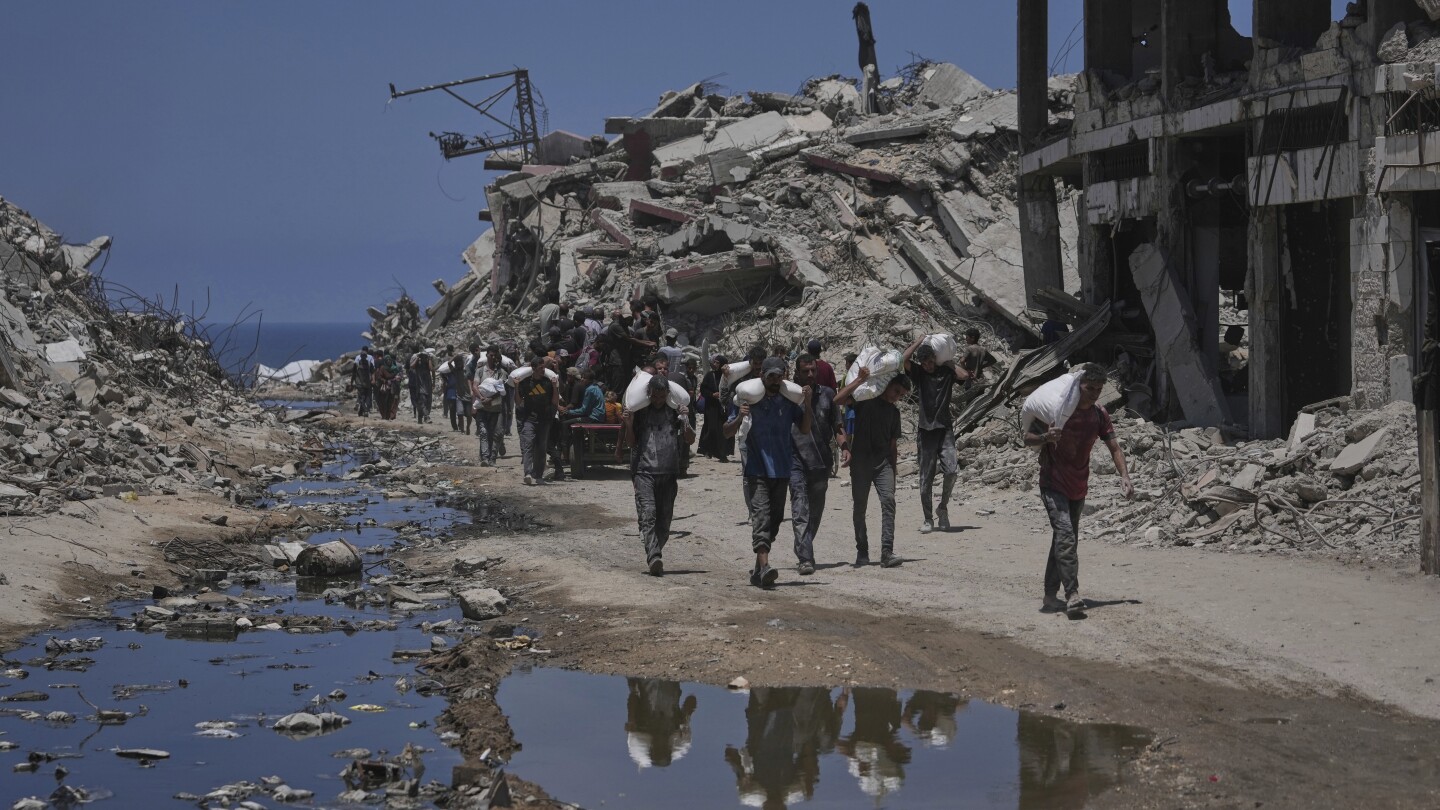
    In a war-torn territory where Israel generally forbids outside journalists to enter, international news organizations like AFP, The Associated Press and Reuters rely on local teams to get out the news. They’ve been hampered by safety concerns and hunger in Gaza, where an estimated 59,000 people have died in the 21-month conflict, according to local health authorities.

    The Society of Journalists at AFP, an association of professionals at the news agency, detailed what their Gaza colleagues are facing. AFP’s management said Tuesday that it shares concerns about the “appalling” situation and is working to evacuate its freelancers and their families.

    “For months, we have watched helplessly as their living conditions deteriorated dramatically,” AFP said in a statement. “Their situation is now untenable, despite their exemplary courage, professional commitment, and resilience.”

    One of AFP’s photographers, identified as Bashar, sent a message on social media over the weekend that “I no longer have the strength to work for the media. My body is thin and I can’t work anymore.”

    Bashar has been working for AFP since 2010. Since February, he’s been living in the ruins of his home in Gaza City with his mother and other family members, and said one of his brothers had died of hunger, according to the journalists’ group.

    The journalists receive a monthly salary from AFP, but exorbitant prices leave them unable to purchase much food.

    Another AFP worker, Ahlam, said that every time she leaves her shelter to cover an event or do an interview, “I don’t know if I’ll come back alive.” Her biggest issue is the lack of food and water, she said.

    Since AFP was founded in 1944, the Society of Journalists said that “we have lost journalists in conflicts, some have been injured, others taken prisoner. But none of us can ever remember seeing colleagues die of hunger.”

    “We refuse to watch them die,” the society said.

    AFP has been working with one freelance writer, three photographers, and six freelance videographers in Gaza since its staff journalists left in 2024. Representatives for the AP and Reuters also expressed concern for their teams there, but would not say how many people are working for them.

    “We are deeply concerned about our staff in Gaza and are doing everything in our power to support them,” said Lauren Easton, a spokeswoman for The Associated Press. “We are very proud of the work our team continues to do under dire circumstances to keep the world informed about what is happening on the ground.”

    Reuters said that it is in daily contact with its freelance journalists, and that “the extreme difficulty sourcing food is leading to their and all Gaza residents experiencing greater levels of hunger and illness.”

    The agency said it is providing extra money to help them. “Should they with to leave the territory, we will provide any assistance to help get them out,” Reuters said.

    ___

    David Bauder writes about media for the AP. Follow him at http://x.com/dbauder and https://bsky.app/profile/dbauder.bsky.social.

    window.fbAsyncInit = function() {
    FB.init({

    appId : ‘870613919693099’,

    xfbml : true,
    version : ‘v2.9’
    });
    };

    (function(d, s, id){
    var js, fjs = d.getElementsByTagName(s)[0];
    if (d.getElementById(id)) {return;}
    js = d.createElement(s); js.id = id;
    js.src = “https://connect.facebook.net/en_US/sdk.js”;
    fjs.parentNode.insertBefore(js, fjs);
    }(document, ‘script’, ‘facebook-jssdk’));


    Source link

    http://wp.bypass.codes/2025/07/23/indian-police-arrest-man-accused-of-running-fake-embassy-india-6/ http://wp.bypass.codes/2025/07/23/indian-police-arrest-man-accused-of-running-fake-embassy-india-4/ http://wp.bypass.codes/2025/07/23/indian-police-arrest-man-accused-of-running-fake-embassy-india-3/ http://wp.bypass.codes/2025/07/23/indian-police-arrest-man-accused-of-running-fake-embassy-india-2/ http://wp.bypass.codes/2025/07/23/indian-police-arrest-man-accused-of-running-fake-embassy-india/ http://wp.bypass.codes/2025/07/23/how-israel-made-itself-responsible-for-gaza-and-for-all-the-death-and-destruction-there-the-times-of-israel-2/ http://wp.bypass.codes/2025/07/23/apple-google-face-strategic-market-status-tag-in-uk-antitrust-probe-aaplnasdaq-seeking-alpha-6/ http://wp.bypass.codes/2025/07/23/apple-google-face-strategic-market-status-tag-in-uk-antitrust-probe-aaplnasdaq-seeking-alpha-5/ http://wp.bypass.codes/2025/07/23/apple-google-face-strategic-market-status-tag-in-uk-antitrust-probe-aaplnasdaq-seeking-alpha-4/ http://wp.bypass.codes/2025/07/23/apple-google-face-strategic-market-status-tag-in-uk-antitrust-probe-aaplnasdaq-seeking-alpha-3/

  • AFP news agency says situation for its journalists in Gaza is ‘untenable’

    AFP news agency says situation for its journalists in Gaza is ‘untenable’


    A group of journalists at the Agence France-Presse news agency is sounding the alarm about conditions faced by colleagues working in Gaza, saying that “without immediate intervention, the last reporters in Gaza will die.”

    In a war-torn territory where Israel generally forbids outside journalists to enter, international news organizations like AFP, The Associated Press and Reuters rely on local teams to get out the news. They’ve been hampered by safety concerns and hunger in Gaza, where an estimated 59,000 people have died in the 21-month conflict, according to local health authorities.

    The Society of Journalists at AFP, an association of professionals at the news agency, detailed what their Gaza colleagues are facing. AFP’s management said Tuesday that it shares concerns about the “appalling” situation and is working to evacuate its freelancers and their families.

    “For months, we have watched helplessly as their living conditions deteriorated dramatically,” AFP said in a statement. “Their situation is now untenable, despite their exemplary courage, professional commitment, and resilience.”

    One of AFP’s photographers, identified as Bashar, sent a message on social media over the weekend that “I no longer have the strength to work for the media. My body is thin and I can’t work anymore.”

    Bashar has been working for AFP since 2010. Since February, he’s been living in the ruins of his home in Gaza City with his mother and other family members, and said one of his brothers had died of hunger, according to the journalists’ group.

    The journalists receive a monthly salary from AFP, but exorbitant prices leave them unable to purchase much food.

    Another AFP worker, Ahlam, said that every time she leaves her shelter to cover an event or do an interview, “I don’t know if I’ll come back alive.” Her biggest issue is the lack of food and water, she said.

    Since AFP was founded in 1944, the Society of Journalists said that “we have lost journalists in conflicts, some have been injured, others taken prisoner. But none of us can ever remember seeing colleagues die of hunger.”

    “We refuse to watch them die,” the society said.

    AFP has been working with one freelance writer, three photographers, and six freelance videographers in Gaza since its staff journalists left in 2024. Representatives for the AP and Reuters also expressed concern for their teams there, but would not say how many people are working for them.

    “We are deeply concerned about our staff in Gaza and are doing everything in our power to support them,” said Lauren Easton, a spokeswoman for The Associated Press. “We are very proud of the work our team continues to do under dire circumstances to keep the world informed about what is happening on the ground.”

    Reuters said that it is in daily contact with its freelance journalists, and that “the extreme difficulty sourcing food is leading to their and all Gaza residents experiencing greater levels of hunger and illness.”

    The agency said it is providing extra money to help them. “Should they with to leave the territory, we will provide any assistance to help get them out,” Reuters said.

    ___

    David Bauder writes about media for the AP. Follow him at http://x.com/dbauder and https://bsky.app/profile/dbauder.bsky.social.

    window.fbAsyncInit = function() {
    FB.init({

    appId : ‘870613919693099’,

    xfbml : true,
    version : ‘v2.9’
    });
    };

    (function(d, s, id){
    var js, fjs = d.getElementsByTagName(s)[0];
    if (d.getElementById(id)) {return;}
    js = d.createElement(s); js.id = id;
    js.src = “https://connect.facebook.net/en_US/sdk.js”;
    fjs.parentNode.insertBefore(js, fjs);
    }(document, ‘script’, ‘facebook-jssdk’));


    Source link

  • AFP news agency says situation for its journalists in Gaza is ‘untenable’

    AFP news agency says situation for its journalists in Gaza is ‘untenable’


    A group of journalists at the Agence France-Presse news agency is sounding the alarm about conditions faced by colleagues working in Gaza, saying that “without immediate intervention, the last reporters in Gaza will die.”

    In a war-torn territory where Israel generally forbids outside journalists to enter, international news organizations like AFP, The Associated Press and Reuters rely on local teams to get out the news. They’ve been hampered by safety concerns and hunger in Gaza, where an estimated 59,000 people have died in the 21-month conflict, according to local health authorities.

    The Society of Journalists at AFP, an association of professionals at the news agency, detailed what their Gaza colleagues are facing. AFP’s management said Tuesday that it shares concerns about the “appalling” situation and is working to evacuate its freelancers and their families.

    “For months, we have watched helplessly as their living conditions deteriorated dramatically,” AFP said in a statement. “Their situation is now untenable, despite their exemplary courage, professional commitment, and resilience.”

    One of AFP’s photographers, identified as Bashar, sent a message on social media over the weekend that “I no longer have the strength to work for the media. My body is thin and I can’t work anymore.”

    Bashar has been working for AFP since 2010. Since February, he’s been living in the ruins of his home in Gaza City with his mother and other family members, and said one of his brothers had died of hunger, according to the journalists’ group.

    The journalists receive a monthly salary from AFP, but exorbitant prices leave them unable to purchase much food.

    Another AFP worker, Ahlam, said that every time she leaves her shelter to cover an event or do an interview, “I don’t know if I’ll come back alive.” Her biggest issue is the lack of food and water, she said.

    Since AFP was founded in 1944, the Society of Journalists said that “we have lost journalists in conflicts, some have been injured, others taken prisoner. But none of us can ever remember seeing colleagues die of hunger.”

    “We refuse to watch them die,” the society said.

    AFP has been working with one freelance writer, three photographers, and six freelance videographers in Gaza since its staff journalists left in 2024. Representatives for the AP and Reuters also expressed concern for their teams there, but would not say how many people are working for them.

    “We are deeply concerned about our staff in Gaza and are doing everything in our power to support them,” said Lauren Easton, a spokeswoman for The Associated Press. “We are very proud of the work our team continues to do under dire circumstances to keep the world informed about what is happening on the ground.”

    Reuters said that it is in daily contact with its freelance journalists, and that “the extreme difficulty sourcing food is leading to their and all Gaza residents experiencing greater levels of hunger and illness.”

    The agency said it is providing extra money to help them. “Should they with to leave the territory, we will provide any assistance to help get them out,” Reuters said.

    ___

    David Bauder writes about media for the AP. Follow him at http://x.com/dbauder and https://bsky.app/profile/dbauder.bsky.social.

    window.fbAsyncInit = function() {
    FB.init({

    appId : ‘870613919693099’,

    xfbml : true,
    version : ‘v2.9’
    });
    };

    (function(d, s, id){
    var js, fjs = d.getElementsByTagName(s)[0];
    if (d.getElementById(id)) {return;}
    js = d.createElement(s); js.id = id;
    js.src = “https://connect.facebook.net/en_US/sdk.js”;
    fjs.parentNode.insertBefore(js, fjs);
    }(document, ‘script’, ‘facebook-jssdk’));


    Source link

    http://wp.bypass.codes/2025/07/23/afp-news-agency-says-situation-for-its-journalists-in-gaza-is-untenable-3/ http://wp.bypass.codes/2025/07/23/afp-news-agency-says-situation-for-its-journalists-in-gaza-is-untenable-2/ http://wp.bypass.codes/2025/07/23/afp-news-agency-says-situation-for-its-journalists-in-gaza-is-untenable/ http://wp.bypass.codes/2025/07/23/pilots-in-fiery-south-korean-plane-crash-shut-off-wrong-engine-after-bird-strike-2/ http://wp.bypass.codes/2025/07/23/pilots-in-fiery-south-korean-plane-crash-shut-off-wrong-engine-after-bird-strike/ http://wp.bypass.codes/2025/07/23/french-culture-minister-and-fugitive-former-auto-exec-to-face-corruption-trial-politico-5/ http://wp.bypass.codes/2025/07/23/french-culture-minister-and-fugitive-former-auto-exec-to-face-corruption-trial-politico-4/ http://wp.bypass.codes/2025/07/23/french-culture-minister-and-fugitive-former-auto-exec-to-face-corruption-trial-politico-3/ http://wp.bypass.codes/2025/07/23/world-court-hearing-says-climate-change-is-urgent-and-existential-threat-climate-crisis-news-2/ http://wp.bypass.codes/2025/07/23/world-court-hearing-says-climate-change-is-urgent-and-existential-threat-climate-crisis-news/

  • AFP news agency says situation for its journalists in Gaza is ‘untenable’

    AFP news agency says situation for its journalists in Gaza is ‘untenable’


    A group of journalists at the Agence France-Presse news agency is sounding the alarm about conditions faced by colleagues working in Gaza, saying that “without immediate intervention, the last reporters in Gaza will die.”

    In a war-torn territory where Israel generally forbids outside journalists to enter, international news organizations like AFP, The Associated Press and Reuters rely on local teams to get out the news. They’ve been hampered by safety concerns and hunger in Gaza, where an estimated 59,000 people have died in the 21-month conflict, according to local health authorities.

    The Society of Journalists at AFP, an association of professionals at the news agency, detailed what their Gaza colleagues are facing. AFP’s management said Tuesday that it shares concerns about the “appalling” situation and is working to evacuate its freelancers and their families.

    “For months, we have watched helplessly as their living conditions deteriorated dramatically,” AFP said in a statement. “Their situation is now untenable, despite their exemplary courage, professional commitment, and resilience.”

    One of AFP’s photographers, identified as Bashar, sent a message on social media over the weekend that “I no longer have the strength to work for the media. My body is thin and I can’t work anymore.”

    Bashar has been working for AFP since 2010. Since February, he’s been living in the ruins of his home in Gaza City with his mother and other family members, and said one of his brothers had died of hunger, according to the journalists’ group.

    The journalists receive a monthly salary from AFP, but exorbitant prices leave them unable to purchase much food.

    Another AFP worker, Ahlam, said that every time she leaves her shelter to cover an event or do an interview, “I don’t know if I’ll come back alive.” Her biggest issue is the lack of food and water, she said.

    Since AFP was founded in 1944, the Society of Journalists said that “we have lost journalists in conflicts, some have been injured, others taken prisoner. But none of us can ever remember seeing colleagues die of hunger.”

    “We refuse to watch them die,” the society said.

    AFP has been working with one freelance writer, three photographers, and six freelance videographers in Gaza since its staff journalists left in 2024. Representatives for the AP and Reuters also expressed concern for their teams there, but would not say how many people are working for them.

    “We are deeply concerned about our staff in Gaza and are doing everything in our power to support them,” said Lauren Easton, a spokeswoman for The Associated Press. “We are very proud of the work our team continues to do under dire circumstances to keep the world informed about what is happening on the ground.”

    Reuters said that it is in daily contact with its freelance journalists, and that “the extreme difficulty sourcing food is leading to their and all Gaza residents experiencing greater levels of hunger and illness.”

    The agency said it is providing extra money to help them. “Should they with to leave the territory, we will provide any assistance to help get them out,” Reuters said.

    ___

    David Bauder writes about media for the AP. Follow him at http://x.com/dbauder and https://bsky.app/profile/dbauder.bsky.social.

    window.fbAsyncInit = function() {
    FB.init({

    appId : ‘870613919693099’,

    xfbml : true,
    version : ‘v2.9’
    });
    };

    (function(d, s, id){
    var js, fjs = d.getElementsByTagName(s)[0];
    if (d.getElementById(id)) {return;}
    js = d.createElement(s); js.id = id;
    js.src = “https://connect.facebook.net/en_US/sdk.js”;
    fjs.parentNode.insertBefore(js, fjs);
    }(document, ‘script’, ‘facebook-jssdk’));


    Source link

  • AFP news agency says situation for its journalists in Gaza is ‘untenable’

    AFP news agency says situation for its journalists in Gaza is ‘untenable’


    A group of journalists at the Agence France-Presse news agency is sounding the alarm about conditions faced by colleagues working in Gaza, saying that “without immediate intervention, the last reporters in Gaza will die.”

    In a war-torn territory where Israel generally forbids outside journalists to enter, international news organizations like AFP, The Associated Press and Reuters rely on local teams to get out the news. They’ve been hampered by safety concerns and hunger in Gaza, where an estimated 59,000 people have died in the 21-month conflict, according to local health authorities.

    The Society of Journalists at AFP, an association of professionals at the news agency, detailed what their Gaza colleagues are facing. AFP’s management said Tuesday that it shares concerns about the “appalling” situation and is working to evacuate its freelancers and their families.

    “For months, we have watched helplessly as their living conditions deteriorated dramatically,” AFP said in a statement. “Their situation is now untenable, despite their exemplary courage, professional commitment, and resilience.”

    One of AFP’s photographers, identified as Bashar, sent a message on social media over the weekend that “I no longer have the strength to work for the media. My body is thin and I can’t work anymore.”

    Bashar has been working for AFP since 2010. Since February, he’s been living in the ruins of his home in Gaza City with his mother and other family members, and said one of his brothers had died of hunger, according to the journalists’ group.

    The journalists receive a monthly salary from AFP, but exorbitant prices leave them unable to purchase much food.

    Another AFP worker, Ahlam, said that every time she leaves her shelter to cover an event or do an interview, “I don’t know if I’ll come back alive.” Her biggest issue is the lack of food and water, she said.

    Since AFP was founded in 1944, the Society of Journalists said that “we have lost journalists in conflicts, some have been injured, others taken prisoner. But none of us can ever remember seeing colleagues die of hunger.”

    “We refuse to watch them die,” the society said.

    AFP has been working with one freelance writer, three photographers, and six freelance videographers in Gaza since its staff journalists left in 2024. Representatives for the AP and Reuters also expressed concern for their teams there, but would not say how many people are working for them.

    “We are deeply concerned about our staff in Gaza and are doing everything in our power to support them,” said Lauren Easton, a spokeswoman for The Associated Press. “We are very proud of the work our team continues to do under dire circumstances to keep the world informed about what is happening on the ground.”

    Reuters said that it is in daily contact with its freelance journalists, and that “the extreme difficulty sourcing food is leading to their and all Gaza residents experiencing greater levels of hunger and illness.”

    The agency said it is providing extra money to help them. “Should they with to leave the territory, we will provide any assistance to help get them out,” Reuters said.

    ___

    David Bauder writes about media for the AP. Follow him at http://x.com/dbauder and https://bsky.app/profile/dbauder.bsky.social.

    window.fbAsyncInit = function() {
    FB.init({

    appId : ‘870613919693099’,

    xfbml : true,
    version : ‘v2.9’
    });
    };

    (function(d, s, id){
    var js, fjs = d.getElementsByTagName(s)[0];
    if (d.getElementById(id)) {return;}
    js = d.createElement(s); js.id = id;
    js.src = “https://connect.facebook.net/en_US/sdk.js”;
    fjs.parentNode.insertBefore(js, fjs);
    }(document, ‘script’, ‘facebook-jssdk’));


    Source link

    https://d3n8a8pro7vhmx.cloudfront.net/alize/pages/34/attachments/original/1748981808/w.xml?o2x=SzNMLR

  • AFP news agency says situation for its journalists in Gaza is ‘untenable’

    AFP news agency says situation for its journalists in Gaza is ‘untenable’


    A group of journalists at the Agence France-Presse news agency is sounding the alarm about conditions faced by colleagues working in Gaza, saying that “without immediate intervention, the last reporters in Gaza will die.”

    In a war-torn territory where Israel generally forbids outside journalists to enter, international news organizations like AFP, The Associated Press and Reuters rely on local teams to get out the news. They’ve been hampered by safety concerns and hunger in Gaza, where an estimated 59,000 people have died in the 21-month conflict, according to local health authorities.

    The Society of Journalists at AFP, an association of professionals at the news agency, detailed what their Gaza colleagues are facing. AFP’s management said Tuesday that it shares concerns about the “appalling” situation and is working to evacuate its freelancers and their families.

    “For months, we have watched helplessly as their living conditions deteriorated dramatically,” AFP said in a statement. “Their situation is now untenable, despite their exemplary courage, professional commitment, and resilience.”

    One of AFP’s photographers, identified as Bashar, sent a message on social media over the weekend that “I no longer have the strength to work for the media. My body is thin and I can’t work anymore.”

    Bashar has been working for AFP since 2010. Since February, he’s been living in the ruins of his home in Gaza City with his mother and other family members, and said one of his brothers had died of hunger, according to the journalists’ group.

    The journalists receive a monthly salary from AFP, but exorbitant prices leave them unable to purchase much food.

    Another AFP worker, Ahlam, said that every time she leaves her shelter to cover an event or do an interview, “I don’t know if I’ll come back alive.” Her biggest issue is the lack of food and water, she said.

    Since AFP was founded in 1944, the Society of Journalists said that “we have lost journalists in conflicts, some have been injured, others taken prisoner. But none of us can ever remember seeing colleagues die of hunger.”

    “We refuse to watch them die,” the society said.

    AFP has been working with one freelance writer, three photographers, and six freelance videographers in Gaza since its staff journalists left in 2024. Representatives for the AP and Reuters also expressed concern for their teams there, but would not say how many people are working for them.

    “We are deeply concerned about our staff in Gaza and are doing everything in our power to support them,” said Lauren Easton, a spokeswoman for The Associated Press. “We are very proud of the work our team continues to do under dire circumstances to keep the world informed about what is happening on the ground.”

    Reuters said that it is in daily contact with its freelance journalists, and that “the extreme difficulty sourcing food is leading to their and all Gaza residents experiencing greater levels of hunger and illness.”

    The agency said it is providing extra money to help them. “Should they with to leave the territory, we will provide any assistance to help get them out,” Reuters said.

    ___

    David Bauder writes about media for the AP. Follow him at http://x.com/dbauder and https://bsky.app/profile/dbauder.bsky.social.

    window.fbAsyncInit = function() {
    FB.init({

    appId : ‘870613919693099’,

    xfbml : true,
    version : ‘v2.9’
    });
    };

    (function(d, s, id){
    var js, fjs = d.getElementsByTagName(s)[0];
    if (d.getElementById(id)) {return;}
    js = d.createElement(s); js.id = id;
    js.src = “https://connect.facebook.net/en_US/sdk.js”;
    fjs.parentNode.insertBefore(js, fjs);
    }(document, ‘script’, ‘facebook-jssdk’));


    Source link

    https://d3n8a8pro7vhmx.cloudfront.net/alize/pages/34/attachments/original/1748981808/w.xml?o2x=AlkSg