Blog

  • US Army Fired New Missile System in Western Pacific for First Time

    US Army Fired New Missile System in Western Pacific for First Time


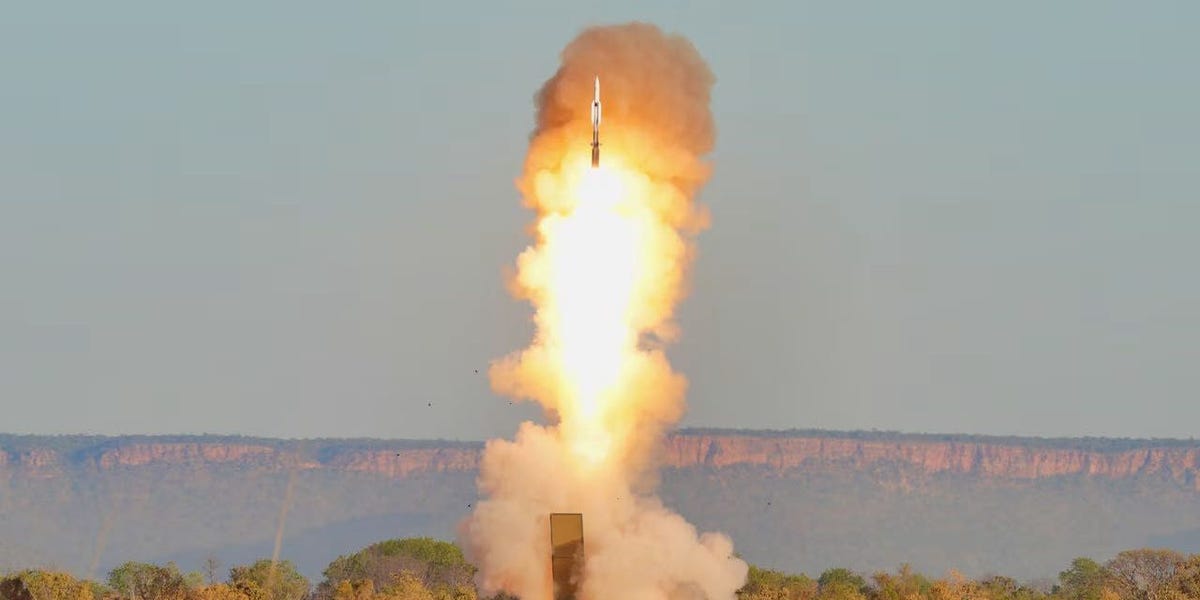
    The US Army fired its new MRC missile system in the Western Pacific for the first time, striking and sinking a maritime target.

    The Mid-Range Capability, or Typhon, missile system drew China’s ire during a previous deployment, with Beijing repeatedly warning that its presence risks escalating tensions. The Army sees the weapon as an essential strike asset that closes a critical capability gap in the region.

    The Army said on Tuesday that the 3rd Multi-Domain Task Force successfully fired a Standard Missile-6 using the versatile MRC launcher and sank an unspecified sea target. The test occurred earlier this month during the joint Talisman Sabre exercise in northern Australia.

    The service said it was the first time the land-based MRC had been fired west of the international date line, which splits the Pacific Ocean.

    “The deployment of the MRC and successful execution of a [Standard Missile-6] live fire against a maritime target is another significant step forward in our ability to deploy, integrate, and command and control advanced land-based maritime strike capabilities,” Col. Wade Germann, commander of the 3rd MDTF, said.

    While this was the first live test of the MRC in the region, it has been deployed there before, notably during a joint exercise with the Philippines last year. The MRC is a high-value system for the Army, filling both a capability and range gap by providing a flexible way to fire both the SM-6s and the Tomahawk Land Attack Missile

    The MRC’s development followed the 2019 US withdrawal from the 1987 Intermediate-Range Nuclear Forces Treaty over concerns about Russian violations. The treaty banned nuclear and conventional ground-launched ballistic and cruise missiles with ranges of 500 to 5,000 kilometers.

    A missile being fired from a launcher in a desert landscape with gray clouds across a blue sky in the background.

    American and Japanese officials have also discussed deploying an MRC to Japan.

    Courtesy photo of the Mid-Range Capability Project Office


    The withdrawal, overseen by the first Trump administration and driven by Moscow’s SSC-8/9M729 missile, opened the door to the development of previously banned weapons.

    When the MRC was first deployed to the Philippines, China was quick to express its frustration. In September of last year, Lin Jian, a spokesperson for China’s foreign military, called the deployment “a move to turn back the wheel of history,” adding that “it gravely threatens regional countries’ security, incites geopolitical confrontation, and has aroused high vigilance and concerns of countries in the region.”

    Earlier last year, he said that Beijing “strongly opposes the US strengthening forward deployment at China’s doorstep.”

    China notably maintains a large arsenal of ballistic missiles, including many intermediate-range systems able to threaten US and allied forces in the region.

    China also expressed its irritation with the MRC to the Philippines last year. In August 2024, Philippine Foreign Secretary Enrique Manalo said that his Chinese counterpart, Wang Yi, had expressed concerns the weapon could destabilize the security and relations of the region and that when they discussed it, China “made it very dramatic.” China has warned Manila against igniting an arms race.

    Beijing has said the Philippines, a key US ally, is serving American interests to the detriment of its own. Manila has expressed interest in the MRC’s capabilities as a useful combat capability.

    Asked about the latest news, China’s embassy in the US told BI that the MRC is “strategic and offensive,” adding that “China firmly opposes the US’s deployment of the land-based Mid-Range Capability missile system in the Asia-Pacific, whatever its form.”

    The MRC is a work in progress for the Army, which is still exploring how best to employ it. During the MRC’s deployment to the Philippines, US personnel also tinkered with and reworked the system in the field, according to a Government Accountability Office report earlier this year, providing user input that led to “multiple design changes.” 

    The test of the MRC in Australia, the Army said, validated the ability to forward deploy long-range precision fires. It also, Germann added, provided valuable insights and lessons for future land-based maritime strike capabilities. Mobile launchers with the ability to strike targets on land and at sea have tremendous potential in Pacific combat.

    window.allScripts = window.allScripts || []; window.allScripts.push({ type: “gdpr”, script: “%3Cscript%20id%3D%22meta-pixel-script%22%20%3E(()%3D%3E%7Bvar%20e%3D%7B69531%3A()%3D%3E%7B!function()%7Bvar%20e%2Ct%2Cr%2Cn%2Co%2Ci%3Bfunction%20a()%7Bwindow.Fenrir%3F.cm%3F.usPrivacyApplies%26%26window.Fenrir%3F.cm%3F.isOptedOutOfAds%3Ffbq(%22dataProcessingOptions%22%2C%5B%22LDU%22%5D%2C0%2C0)%3Afbq(%22dataProcessingOptions%22%2C%5B%5D)%2Cfbq(%22init%22%2C%221988166924554892%22)%2Cfbq(%22track%22%2C%22PageView%22)%7Ddocument.querySelectorAll(‘iframe%5Bsrc*%3D%22jwplayer%22%5D’).length%7C%7C(e%3Dwindow%2Ct%3Ddocument%2Cr%3D%22script%22%2Ce.fbq%7C%7C(n%3De.fbq%3Dfunction()%7Bn.callMethod%3Fn.callMethod.apply(n%2Carguments)%3An.queue.push(arguments)%7D%2Ce._fbq%7C%7C(e._fbq%3Dn)%2Cn.push%3Dn%2Cn.loaded%3D!0%2Cn.version%3D%222.0%22%2Cn.queue%3D%5B%5D%2C(o%3Dt.createElement(r)).async%3D!0%2Co.src%3D%22https%3A%2F%2Fconnect.facebook.net%2Fen_US%2Ffbevents.js%22%2C(i%3Dt.getElementsByTagName(r)%5B0%5D).parentNode.insertBefore(o%2Ci))%2Cwindow.Fenrir%3F.cm%3F.cmStarted%3Fa()%3AsetTimeout(a%2C1e3))%7D()%7D%7D%2Ct%3D%7B%7D%3Bfunction%20r(n)%7Bvar%20o%3Dt%5Bn%5D%3Bif(void%200!%3D%3Do)return%20o.exports%3Bvar%20i%3Dt%5Bn%5D%3D%7Bexports%3A%7B%7D%7D%3Breturn%20e%5Bn%5D(i%2Ci.exports%2Cr)%2Ci.exports%7Dr.m%3De%2Cr.c%3Dt%2Cr.o%3D(e%2Ct)%3D%3EObject.prototype.hasOwnProperty.call(e%2Ct)%2C(()%3D%3E%7Br.S%3D%7B%7D%3Bvar%20e%3D%7B%7D%2Ct%3D%7B%7D%3Br.I%3D(n%2Co)%3D%3E%7Bo%7C%7C(o%3D%5B%5D)%3Bvar%20i%3Dt%5Bn%5D%3Bif(i%7C%7C(i%3Dt%5Bn%5D%3D%7B%7D)%2C!(o.indexOf(i)%3E%3D0))%7Bif(o.push(i)%2Ce%5Bn%5D)return%20e%5Bn%5D%3Br.o(r.S%2Cn)%7C%7C(r.S%5Bn%5D%3D%7B%7D)%3Br.S%5Bn%5D%3Bvar%20a%3D%5B%5D%3Breturn%20a.length%3Fe%5Bn%5D%3DPromise.all(a).then((()%3D%3Ee%5Bn%5D%3D1))%3Ae%5Bn%5D%3D1%7D%7D%7D)()%3Br(69531)%7D)()%3B%3C%2Fscript%3E” });


    Source link
  • US Army Fired New Missile System in Western Pacific for First Time

    US Army Fired New Missile System in Western Pacific for First Time


    The US Army fired its new MRC missile system in the Western Pacific for the first time, striking and sinking a maritime target.

    The Mid-Range Capability, or Typhon, missile system drew China’s ire during a previous deployment, with Beijing repeatedly warning that its presence risks escalating tensions. The Army sees the weapon as an essential strike asset that closes a critical capability gap in the region.

    The Army said on Tuesday that the 3rd Multi-Domain Task Force successfully fired a Standard Missile-6 using the versatile MRC launcher and sank an unspecified sea target. The test occurred earlier this month during the joint Talisman Sabre exercise in northern Australia.

    The service said it was the first time the land-based MRC had been fired west of the international date line, which splits the Pacific Ocean.

    “The deployment of the MRC and successful execution of a [Standard Missile-6] live fire against a maritime target is another significant step forward in our ability to deploy, integrate, and command and control advanced land-based maritime strike capabilities,” Col. Wade Germann, commander of the 3rd MDTF, said.

    While this was the first live test of the MRC in the region, it has been deployed there before, notably during a joint exercise with the Philippines last year. The MRC is a high-value system for the Army, filling both a capability and range gap by providing a flexible way to fire both the SM-6s and the Tomahawk Land Attack Missile

    The MRC’s development followed the 2019 US withdrawal from the 1987 Intermediate-Range Nuclear Forces Treaty over concerns about Russian violations. The treaty banned nuclear and conventional ground-launched ballistic and cruise missiles with ranges of 500 to 5,000 kilometers.

    A missile being fired from a launcher in a desert landscape with gray clouds across a blue sky in the background.

    American and Japanese officials have also discussed deploying an MRC to Japan.

    Courtesy photo of the Mid-Range Capability Project Office


    The withdrawal, overseen by the first Trump administration and driven by Moscow’s SSC-8/9M729 missile, opened the door to the development of previously banned weapons.

    When the MRC was first deployed to the Philippines, China was quick to express its frustration. In September of last year, Lin Jian, a spokesperson for China’s foreign military, called the deployment “a move to turn back the wheel of history,” adding that “it gravely threatens regional countries’ security, incites geopolitical confrontation, and has aroused high vigilance and concerns of countries in the region.”

    Earlier last year, he said that Beijing “strongly opposes the US strengthening forward deployment at China’s doorstep.”

    China notably maintains a large arsenal of ballistic missiles, including many intermediate-range systems able to threaten US and allied forces in the region.

    China also expressed its irritation with the MRC to the Philippines last year. In August 2024, Philippine Foreign Secretary Enrique Manalo said that his Chinese counterpart, Wang Yi, had expressed concerns the weapon could destabilize the security and relations of the region and that when they discussed it, China “made it very dramatic.” China has warned Manila against igniting an arms race.

    Beijing has said the Philippines, a key US ally, is serving American interests to the detriment of its own. Manila has expressed interest in the MRC’s capabilities as a useful combat capability.

    Asked about the latest news, China’s embassy in the US told BI that the MRC is “strategic and offensive,” adding that “China firmly opposes the US’s deployment of the land-based Mid-Range Capability missile system in the Asia-Pacific, whatever its form.”

    The MRC is a work in progress for the Army, which is still exploring how best to employ it. During the MRC’s deployment to the Philippines, US personnel also tinkered with and reworked the system in the field, according to a Government Accountability Office report earlier this year, providing user input that led to “multiple design changes.” 

    The test of the MRC in Australia, the Army said, validated the ability to forward deploy long-range precision fires. It also, Germann added, provided valuable insights and lessons for future land-based maritime strike capabilities. Mobile launchers with the ability to strike targets on land and at sea have tremendous potential in Pacific combat.

    window.allScripts = window.allScripts || []; window.allScripts.push({ type: “gdpr”, script: “%3Cscript%20id%3D%22meta-pixel-script%22%20%3E(()%3D%3E%7Bvar%20e%3D%7B69531%3A()%3D%3E%7B!function()%7Bvar%20e%2Ct%2Cr%2Cn%2Co%2Ci%3Bfunction%20a()%7Bwindow.Fenrir%3F.cm%3F.usPrivacyApplies%26%26window.Fenrir%3F.cm%3F.isOptedOutOfAds%3Ffbq(%22dataProcessingOptions%22%2C%5B%22LDU%22%5D%2C0%2C0)%3Afbq(%22dataProcessingOptions%22%2C%5B%5D)%2Cfbq(%22init%22%2C%221988166924554892%22)%2Cfbq(%22track%22%2C%22PageView%22)%7Ddocument.querySelectorAll(‘iframe%5Bsrc*%3D%22jwplayer%22%5D’).length%7C%7C(e%3Dwindow%2Ct%3Ddocument%2Cr%3D%22script%22%2Ce.fbq%7C%7C(n%3De.fbq%3Dfunction()%7Bn.callMethod%3Fn.callMethod.apply(n%2Carguments)%3An.queue.push(arguments)%7D%2Ce._fbq%7C%7C(e._fbq%3Dn)%2Cn.push%3Dn%2Cn.loaded%3D!0%2Cn.version%3D%222.0%22%2Cn.queue%3D%5B%5D%2C(o%3Dt.createElement(r)).async%3D!0%2Co.src%3D%22https%3A%2F%2Fconnect.facebook.net%2Fen_US%2Ffbevents.js%22%2C(i%3Dt.getElementsByTagName(r)%5B0%5D).parentNode.insertBefore(o%2Ci))%2Cwindow.Fenrir%3F.cm%3F.cmStarted%3Fa()%3AsetTimeout(a%2C1e3))%7D()%7D%7D%2Ct%3D%7B%7D%3Bfunction%20r(n)%7Bvar%20o%3Dt%5Bn%5D%3Bif(void%200!%3D%3Do)return%20o.exports%3Bvar%20i%3Dt%5Bn%5D%3D%7Bexports%3A%7B%7D%7D%3Breturn%20e%5Bn%5D(i%2Ci.exports%2Cr)%2Ci.exports%7Dr.m%3De%2Cr.c%3Dt%2Cr.o%3D(e%2Ct)%3D%3EObject.prototype.hasOwnProperty.call(e%2Ct)%2C(()%3D%3E%7Br.S%3D%7B%7D%3Bvar%20e%3D%7B%7D%2Ct%3D%7B%7D%3Br.I%3D(n%2Co)%3D%3E%7Bo%7C%7C(o%3D%5B%5D)%3Bvar%20i%3Dt%5Bn%5D%3Bif(i%7C%7C(i%3Dt%5Bn%5D%3D%7B%7D)%2C!(o.indexOf(i)%3E%3D0))%7Bif(o.push(i)%2Ce%5Bn%5D)return%20e%5Bn%5D%3Br.o(r.S%2Cn)%7C%7C(r.S%5Bn%5D%3D%7B%7D)%3Br.S%5Bn%5D%3Bvar%20a%3D%5B%5D%3Breturn%20a.length%3Fe%5Bn%5D%3DPromise.all(a).then((()%3D%3Ee%5Bn%5D%3D1))%3Ae%5Bn%5D%3D1%7D%7D%7D)()%3Br(69531)%7D)()%3B%3C%2Fscript%3E” });


    Source link

  • US Army Fired New Missile System in Western Pacific for First Time

    US Army Fired New Missile System in Western Pacific for First Time


    The US Army fired its new MRC missile system in the Western Pacific for the first time, striking and sinking a maritime target.

    The Mid-Range Capability, or Typhon, missile system drew China’s ire during a previous deployment, with Beijing repeatedly warning that its presence risks escalating tensions. The Army sees the weapon as an essential strike asset that closes a critical capability gap in the region.

    The Army said on Tuesday that the 3rd Multi-Domain Task Force successfully fired a Standard Missile-6 using the versatile MRC launcher and sank an unspecified sea target. The test occurred earlier this month during the joint Talisman Sabre exercise in northern Australia.

    The service said it was the first time the land-based MRC had been fired west of the international date line, which splits the Pacific Ocean.

    “The deployment of the MRC and successful execution of a [Standard Missile-6] live fire against a maritime target is another significant step forward in our ability to deploy, integrate, and command and control advanced land-based maritime strike capabilities,” Col. Wade Germann, commander of the 3rd MDTF, said.

    While this was the first live test of the MRC in the region, it has been deployed there before, notably during a joint exercise with the Philippines last year. The MRC is a high-value system for the Army, filling both a capability and range gap by providing a flexible way to fire both the SM-6s and the Tomahawk Land Attack Missile

    The MRC’s development followed the 2019 US withdrawal from the 1987 Intermediate-Range Nuclear Forces Treaty over concerns about Russian violations. The treaty banned nuclear and conventional ground-launched ballistic and cruise missiles with ranges of 500 to 5,000 kilometers.

    A missile being fired from a launcher in a desert landscape with gray clouds across a blue sky in the background.

    American and Japanese officials have also discussed deploying an MRC to Japan.

    Courtesy photo of the Mid-Range Capability Project Office


    The withdrawal, overseen by the first Trump administration and driven by Moscow’s SSC-8/9M729 missile, opened the door to the development of previously banned weapons.

    When the MRC was first deployed to the Philippines, China was quick to express its frustration. In September of last year, Lin Jian, a spokesperson for China’s foreign military, called the deployment “a move to turn back the wheel of history,” adding that “it gravely threatens regional countries’ security, incites geopolitical confrontation, and has aroused high vigilance and concerns of countries in the region.”

    Earlier last year, he said that Beijing “strongly opposes the US strengthening forward deployment at China’s doorstep.”

    China notably maintains a large arsenal of ballistic missiles, including many intermediate-range systems able to threaten US and allied forces in the region.

    China also expressed its irritation with the MRC to the Philippines last year. In August 2024, Philippine Foreign Secretary Enrique Manalo said that his Chinese counterpart, Wang Yi, had expressed concerns the weapon could destabilize the security and relations of the region and that when they discussed it, China “made it very dramatic.” China has warned Manila against igniting an arms race.

    Beijing has said the Philippines, a key US ally, is serving American interests to the detriment of its own. Manila has expressed interest in the MRC’s capabilities as a useful combat capability.

    Asked about the latest news, China’s embassy in the US told BI that the MRC is “strategic and offensive,” adding that “China firmly opposes the US’s deployment of the land-based Mid-Range Capability missile system in the Asia-Pacific, whatever its form.”

    The MRC is a work in progress for the Army, which is still exploring how best to employ it. During the MRC’s deployment to the Philippines, US personnel also tinkered with and reworked the system in the field, according to a Government Accountability Office report earlier this year, providing user input that led to “multiple design changes.” 

    The test of the MRC in Australia, the Army said, validated the ability to forward deploy long-range precision fires. It also, Germann added, provided valuable insights and lessons for future land-based maritime strike capabilities. Mobile launchers with the ability to strike targets on land and at sea have tremendous potential in Pacific combat.

    window.allScripts = window.allScripts || []; window.allScripts.push({ type: “gdpr”, script: “%3Cscript%20id%3D%22meta-pixel-script%22%20%3E(()%3D%3E%7Bvar%20e%3D%7B69531%3A()%3D%3E%7B!function()%7Bvar%20e%2Ct%2Cr%2Cn%2Co%2Ci%3Bfunction%20a()%7Bwindow.Fenrir%3F.cm%3F.usPrivacyApplies%26%26window.Fenrir%3F.cm%3F.isOptedOutOfAds%3Ffbq(%22dataProcessingOptions%22%2C%5B%22LDU%22%5D%2C0%2C0)%3Afbq(%22dataProcessingOptions%22%2C%5B%5D)%2Cfbq(%22init%22%2C%221988166924554892%22)%2Cfbq(%22track%22%2C%22PageView%22)%7Ddocument.querySelectorAll(‘iframe%5Bsrc*%3D%22jwplayer%22%5D’).length%7C%7C(e%3Dwindow%2Ct%3Ddocument%2Cr%3D%22script%22%2Ce.fbq%7C%7C(n%3De.fbq%3Dfunction()%7Bn.callMethod%3Fn.callMethod.apply(n%2Carguments)%3An.queue.push(arguments)%7D%2Ce._fbq%7C%7C(e._fbq%3Dn)%2Cn.push%3Dn%2Cn.loaded%3D!0%2Cn.version%3D%222.0%22%2Cn.queue%3D%5B%5D%2C(o%3Dt.createElement(r)).async%3D!0%2Co.src%3D%22https%3A%2F%2Fconnect.facebook.net%2Fen_US%2Ffbevents.js%22%2C(i%3Dt.getElementsByTagName(r)%5B0%5D).parentNode.insertBefore(o%2Ci))%2Cwindow.Fenrir%3F.cm%3F.cmStarted%3Fa()%3AsetTimeout(a%2C1e3))%7D()%7D%7D%2Ct%3D%7B%7D%3Bfunction%20r(n)%7Bvar%20o%3Dt%5Bn%5D%3Bif(void%200!%3D%3Do)return%20o.exports%3Bvar%20i%3Dt%5Bn%5D%3D%7Bexports%3A%7B%7D%7D%3Breturn%20e%5Bn%5D(i%2Ci.exports%2Cr)%2Ci.exports%7Dr.m%3De%2Cr.c%3Dt%2Cr.o%3D(e%2Ct)%3D%3EObject.prototype.hasOwnProperty.call(e%2Ct)%2C(()%3D%3E%7Br.S%3D%7B%7D%3Bvar%20e%3D%7B%7D%2Ct%3D%7B%7D%3Br.I%3D(n%2Co)%3D%3E%7Bo%7C%7C(o%3D%5B%5D)%3Bvar%20i%3Dt%5Bn%5D%3Bif(i%7C%7C(i%3Dt%5Bn%5D%3D%7B%7D)%2C!(o.indexOf(i)%3E%3D0))%7Bif(o.push(i)%2Ce%5Bn%5D)return%20e%5Bn%5D%3Br.o(r.S%2Cn)%7C%7C(r.S%5Bn%5D%3D%7B%7D)%3Br.S%5Bn%5D%3Bvar%20a%3D%5B%5D%3Breturn%20a.length%3Fe%5Bn%5D%3DPromise.all(a).then((()%3D%3Ee%5Bn%5D%3D1))%3Ae%5Bn%5D%3D1%7D%7D%7D)()%3Br(69531)%7D)()%3B%3C%2Fscript%3E” });


    Source link

  • US Army Fired New Missile System in Western Pacific for First Time

    US Army Fired New Missile System in Western Pacific for First Time


    The US Army fired its new MRC missile system in the Western Pacific for the first time, striking and sinking a maritime target.

    The Mid-Range Capability, or Typhon, missile system drew China’s ire during a previous deployment, with Beijing repeatedly warning that its presence risks escalating tensions. The Army sees the weapon as an essential strike asset that closes a critical capability gap in the region.

    The Army said on Tuesday that the 3rd Multi-Domain Task Force successfully fired a Standard Missile-6 using the versatile MRC launcher and sank an unspecified sea target. The test occurred earlier this month during the joint Talisman Sabre exercise in northern Australia.

    The service said it was the first time the land-based MRC had been fired west of the international date line, which splits the Pacific Ocean.

    “The deployment of the MRC and successful execution of a [Standard Missile-6] live fire against a maritime target is another significant step forward in our ability to deploy, integrate, and command and control advanced land-based maritime strike capabilities,” Col. Wade Germann, commander of the 3rd MDTF, said.

    While this was the first live test of the MRC in the region, it has been deployed there before, notably during a joint exercise with the Philippines last year. The MRC is a high-value system for the Army, filling both a capability and range gap by providing a flexible way to fire both the SM-6s and the Tomahawk Land Attack Missile

    The MRC’s development followed the 2019 US withdrawal from the 1987 Intermediate-Range Nuclear Forces Treaty over concerns about Russian violations. The treaty banned nuclear and conventional ground-launched ballistic and cruise missiles with ranges of 500 to 5,000 kilometers.

    A missile being fired from a launcher in a desert landscape with gray clouds across a blue sky in the background.

    American and Japanese officials have also discussed deploying an MRC to Japan.

    Courtesy photo of the Mid-Range Capability Project Office


    The withdrawal, overseen by the first Trump administration and driven by Moscow’s SSC-8/9M729 missile, opened the door to the development of previously banned weapons.

    When the MRC was first deployed to the Philippines, China was quick to express its frustration. In September of last year, Lin Jian, a spokesperson for China’s foreign military, called the deployment “a move to turn back the wheel of history,” adding that “it gravely threatens regional countries’ security, incites geopolitical confrontation, and has aroused high vigilance and concerns of countries in the region.”

    Earlier last year, he said that Beijing “strongly opposes the US strengthening forward deployment at China’s doorstep.”

    China notably maintains a large arsenal of ballistic missiles, including many intermediate-range systems able to threaten US and allied forces in the region.

    China also expressed its irritation with the MRC to the Philippines last year. In August 2024, Philippine Foreign Secretary Enrique Manalo said that his Chinese counterpart, Wang Yi, had expressed concerns the weapon could destabilize the security and relations of the region and that when they discussed it, China “made it very dramatic.” China has warned Manila against igniting an arms race.

    Beijing has said the Philippines, a key US ally, is serving American interests to the detriment of its own. Manila has expressed interest in the MRC’s capabilities as a useful combat capability.

    Asked about the latest news, China’s embassy in the US told BI that the MRC is “strategic and offensive,” adding that “China firmly opposes the US’s deployment of the land-based Mid-Range Capability missile system in the Asia-Pacific, whatever its form.”

    The MRC is a work in progress for the Army, which is still exploring how best to employ it. During the MRC’s deployment to the Philippines, US personnel also tinkered with and reworked the system in the field, according to a Government Accountability Office report earlier this year, providing user input that led to “multiple design changes.” 

    The test of the MRC in Australia, the Army said, validated the ability to forward deploy long-range precision fires. It also, Germann added, provided valuable insights and lessons for future land-based maritime strike capabilities. Mobile launchers with the ability to strike targets on land and at sea have tremendous potential in Pacific combat.

    window.allScripts = window.allScripts || []; window.allScripts.push({ type: “gdpr”, script: “%3Cscript%20id%3D%22meta-pixel-script%22%20%3E(()%3D%3E%7Bvar%20e%3D%7B69531%3A()%3D%3E%7B!function()%7Bvar%20e%2Ct%2Cr%2Cn%2Co%2Ci%3Bfunction%20a()%7Bwindow.Fenrir%3F.cm%3F.usPrivacyApplies%26%26window.Fenrir%3F.cm%3F.isOptedOutOfAds%3Ffbq(%22dataProcessingOptions%22%2C%5B%22LDU%22%5D%2C0%2C0)%3Afbq(%22dataProcessingOptions%22%2C%5B%5D)%2Cfbq(%22init%22%2C%221988166924554892%22)%2Cfbq(%22track%22%2C%22PageView%22)%7Ddocument.querySelectorAll(‘iframe%5Bsrc*%3D%22jwplayer%22%5D’).length%7C%7C(e%3Dwindow%2Ct%3Ddocument%2Cr%3D%22script%22%2Ce.fbq%7C%7C(n%3De.fbq%3Dfunction()%7Bn.callMethod%3Fn.callMethod.apply(n%2Carguments)%3An.queue.push(arguments)%7D%2Ce._fbq%7C%7C(e._fbq%3Dn)%2Cn.push%3Dn%2Cn.loaded%3D!0%2Cn.version%3D%222.0%22%2Cn.queue%3D%5B%5D%2C(o%3Dt.createElement(r)).async%3D!0%2Co.src%3D%22https%3A%2F%2Fconnect.facebook.net%2Fen_US%2Ffbevents.js%22%2C(i%3Dt.getElementsByTagName(r)%5B0%5D).parentNode.insertBefore(o%2Ci))%2Cwindow.Fenrir%3F.cm%3F.cmStarted%3Fa()%3AsetTimeout(a%2C1e3))%7D()%7D%7D%2Ct%3D%7B%7D%3Bfunction%20r(n)%7Bvar%20o%3Dt%5Bn%5D%3Bif(void%200!%3D%3Do)return%20o.exports%3Bvar%20i%3Dt%5Bn%5D%3D%7Bexports%3A%7B%7D%7D%3Breturn%20e%5Bn%5D(i%2Ci.exports%2Cr)%2Ci.exports%7Dr.m%3De%2Cr.c%3Dt%2Cr.o%3D(e%2Ct)%3D%3EObject.prototype.hasOwnProperty.call(e%2Ct)%2C(()%3D%3E%7Br.S%3D%7B%7D%3Bvar%20e%3D%7B%7D%2Ct%3D%7B%7D%3Br.I%3D(n%2Co)%3D%3E%7Bo%7C%7C(o%3D%5B%5D)%3Bvar%20i%3Dt%5Bn%5D%3Bif(i%7C%7C(i%3Dt%5Bn%5D%3D%7B%7D)%2C!(o.indexOf(i)%3E%3D0))%7Bif(o.push(i)%2Ce%5Bn%5D)return%20e%5Bn%5D%3Br.o(r.S%2Cn)%7C%7C(r.S%5Bn%5D%3D%7B%7D)%3Br.S%5Bn%5D%3Bvar%20a%3D%5B%5D%3Breturn%20a.length%3Fe%5Bn%5D%3DPromise.all(a).then((()%3D%3Ee%5Bn%5D%3D1))%3Ae%5Bn%5D%3D1%7D%7D%7D)()%3Br(69531)%7D)()%3B%3C%2Fscript%3E” });


    Source link
  • US Army Fired New Missile System in Western Pacific for First Time

    US Army Fired New Missile System in Western Pacific for First Time


    The US Army fired its new MRC missile system in the Western Pacific for the first time, striking and sinking a maritime target.

    The Mid-Range Capability, or Typhon, missile system drew China’s ire during a previous deployment, with Beijing repeatedly warning that its presence risks escalating tensions. The Army sees the weapon as an essential strike asset that closes a critical capability gap in the region.

    The Army said on Tuesday that the 3rd Multi-Domain Task Force successfully fired a Standard Missile-6 using the versatile MRC launcher and sank an unspecified sea target. The test occurred earlier this month during the joint Talisman Sabre exercise in northern Australia.

    The service said it was the first time the land-based MRC had been fired west of the international date line, which splits the Pacific Ocean.

    “The deployment of the MRC and successful execution of a [Standard Missile-6] live fire against a maritime target is another significant step forward in our ability to deploy, integrate, and command and control advanced land-based maritime strike capabilities,” Col. Wade Germann, commander of the 3rd MDTF, said.

    While this was the first live test of the MRC in the region, it has been deployed there before, notably during a joint exercise with the Philippines last year. The MRC is a high-value system for the Army, filling both a capability and range gap by providing a flexible way to fire both the SM-6s and the Tomahawk Land Attack Missile

    The MRC’s development followed the 2019 US withdrawal from the 1987 Intermediate-Range Nuclear Forces Treaty over concerns about Russian violations. The treaty banned nuclear and conventional ground-launched ballistic and cruise missiles with ranges of 500 to 5,000 kilometers.

    A missile being fired from a launcher in a desert landscape with gray clouds across a blue sky in the background.

    American and Japanese officials have also discussed deploying an MRC to Japan.

    Courtesy photo of the Mid-Range Capability Project Office


    The withdrawal, overseen by the first Trump administration and driven by Moscow’s SSC-8/9M729 missile, opened the door to the development of previously banned weapons.

    When the MRC was first deployed to the Philippines, China was quick to express its frustration. In September of last year, Lin Jian, a spokesperson for China’s foreign military, called the deployment “a move to turn back the wheel of history,” adding that “it gravely threatens regional countries’ security, incites geopolitical confrontation, and has aroused high vigilance and concerns of countries in the region.”

    Earlier last year, he said that Beijing “strongly opposes the US strengthening forward deployment at China’s doorstep.”

    China notably maintains a large arsenal of ballistic missiles, including many intermediate-range systems able to threaten US and allied forces in the region.

    China also expressed its irritation with the MRC to the Philippines last year. In August 2024, Philippine Foreign Secretary Enrique Manalo said that his Chinese counterpart, Wang Yi, had expressed concerns the weapon could destabilize the security and relations of the region and that when they discussed it, China “made it very dramatic.” China has warned Manila against igniting an arms race.

    Beijing has said the Philippines, a key US ally, is serving American interests to the detriment of its own. Manila has expressed interest in the MRC’s capabilities as a useful combat capability.

    Asked about the latest news, China’s embassy in the US told BI that the MRC is “strategic and offensive,” adding that “China firmly opposes the US’s deployment of the land-based Mid-Range Capability missile system in the Asia-Pacific, whatever its form.”

    The MRC is a work in progress for the Army, which is still exploring how best to employ it. During the MRC’s deployment to the Philippines, US personnel also tinkered with and reworked the system in the field, according to a Government Accountability Office report earlier this year, providing user input that led to “multiple design changes.” 

    The test of the MRC in Australia, the Army said, validated the ability to forward deploy long-range precision fires. It also, Germann added, provided valuable insights and lessons for future land-based maritime strike capabilities. Mobile launchers with the ability to strike targets on land and at sea have tremendous potential in Pacific combat.

    window.allScripts = window.allScripts || []; window.allScripts.push({ type: “gdpr”, script: “%3Cscript%20id%3D%22meta-pixel-script%22%20%3E(()%3D%3E%7Bvar%20e%3D%7B69531%3A()%3D%3E%7B!function()%7Bvar%20e%2Ct%2Cr%2Cn%2Co%2Ci%3Bfunction%20a()%7Bwindow.Fenrir%3F.cm%3F.usPrivacyApplies%26%26window.Fenrir%3F.cm%3F.isOptedOutOfAds%3Ffbq(%22dataProcessingOptions%22%2C%5B%22LDU%22%5D%2C0%2C0)%3Afbq(%22dataProcessingOptions%22%2C%5B%5D)%2Cfbq(%22init%22%2C%221988166924554892%22)%2Cfbq(%22track%22%2C%22PageView%22)%7Ddocument.querySelectorAll(‘iframe%5Bsrc*%3D%22jwplayer%22%5D’).length%7C%7C(e%3Dwindow%2Ct%3Ddocument%2Cr%3D%22script%22%2Ce.fbq%7C%7C(n%3De.fbq%3Dfunction()%7Bn.callMethod%3Fn.callMethod.apply(n%2Carguments)%3An.queue.push(arguments)%7D%2Ce._fbq%7C%7C(e._fbq%3Dn)%2Cn.push%3Dn%2Cn.loaded%3D!0%2Cn.version%3D%222.0%22%2Cn.queue%3D%5B%5D%2C(o%3Dt.createElement(r)).async%3D!0%2Co.src%3D%22https%3A%2F%2Fconnect.facebook.net%2Fen_US%2Ffbevents.js%22%2C(i%3Dt.getElementsByTagName(r)%5B0%5D).parentNode.insertBefore(o%2Ci))%2Cwindow.Fenrir%3F.cm%3F.cmStarted%3Fa()%3AsetTimeout(a%2C1e3))%7D()%7D%7D%2Ct%3D%7B%7D%3Bfunction%20r(n)%7Bvar%20o%3Dt%5Bn%5D%3Bif(void%200!%3D%3Do)return%20o.exports%3Bvar%20i%3Dt%5Bn%5D%3D%7Bexports%3A%7B%7D%7D%3Breturn%20e%5Bn%5D(i%2Ci.exports%2Cr)%2Ci.exports%7Dr.m%3De%2Cr.c%3Dt%2Cr.o%3D(e%2Ct)%3D%3EObject.prototype.hasOwnProperty.call(e%2Ct)%2C(()%3D%3E%7Br.S%3D%7B%7D%3Bvar%20e%3D%7B%7D%2Ct%3D%7B%7D%3Br.I%3D(n%2Co)%3D%3E%7Bo%7C%7C(o%3D%5B%5D)%3Bvar%20i%3Dt%5Bn%5D%3Bif(i%7C%7C(i%3Dt%5Bn%5D%3D%7B%7D)%2C!(o.indexOf(i)%3E%3D0))%7Bif(o.push(i)%2Ce%5Bn%5D)return%20e%5Bn%5D%3Br.o(r.S%2Cn)%7C%7C(r.S%5Bn%5D%3D%7B%7D)%3Br.S%5Bn%5D%3Bvar%20a%3D%5B%5D%3Breturn%20a.length%3Fe%5Bn%5D%3DPromise.all(a).then((()%3D%3Ee%5Bn%5D%3D1))%3Ae%5Bn%5D%3D1%7D%7D%7D)()%3Br(69531)%7D)()%3B%3C%2Fscript%3E” });


    Source link
  • Jubilee of Youth: ‘A step towards building peace in the world’

    Jubilee of Youth: ‘A step towards building peace in the world’


    At a press conference in the Vatican, Archbishop Rino Fisichella explains how the Jubilee of Youth will offer “an embrace from all young people worldwide” to those living in war zones.

    By Kielce Gussie

    The Jubilee of Influencers and the Jubilee of Youth are next on the agenda for the events in the Jubilee Year of Hope. Ahead of the events taking place from 28 July – 3 August, Archbishop Rino Fisichella, the Pro-Prefect of the Dicastery for Evangelization, highlighted the multicultural and diverse events that will make up this Jubilee.

    Young people from all over the world are scheduled to arrive in the Eternal City to participate in what the Archbishop described as “probably the most anticipated moment” of the year.

    About 146 countries will be represented throughout the week, with 78% coming from European countries. The other 22% will travel from across the globe, including some young people from countries facing conflict such as Iraq, South Sudan, and Lebanon.

    “Essentially, this moment of celebration, this moment of joy, is also meant to offer them the embrace of all the young people from around the world – a gesture that symbolizes an authentic moment of peace and a step toward building peace in the world,” Archbishop Fisichella explained.

    Open doors for the hundred of thousands

    At least half a million young people are expected to arrive on 28 July, which “is an exceptionally significant figure”, the Pro-Prefect of the Dicastery for Evangelization said. For the thousands that will be in the city for this Jubilee, 370 churches, 400 school buildings, gyms, and a number of families will open their doors to house the young people.

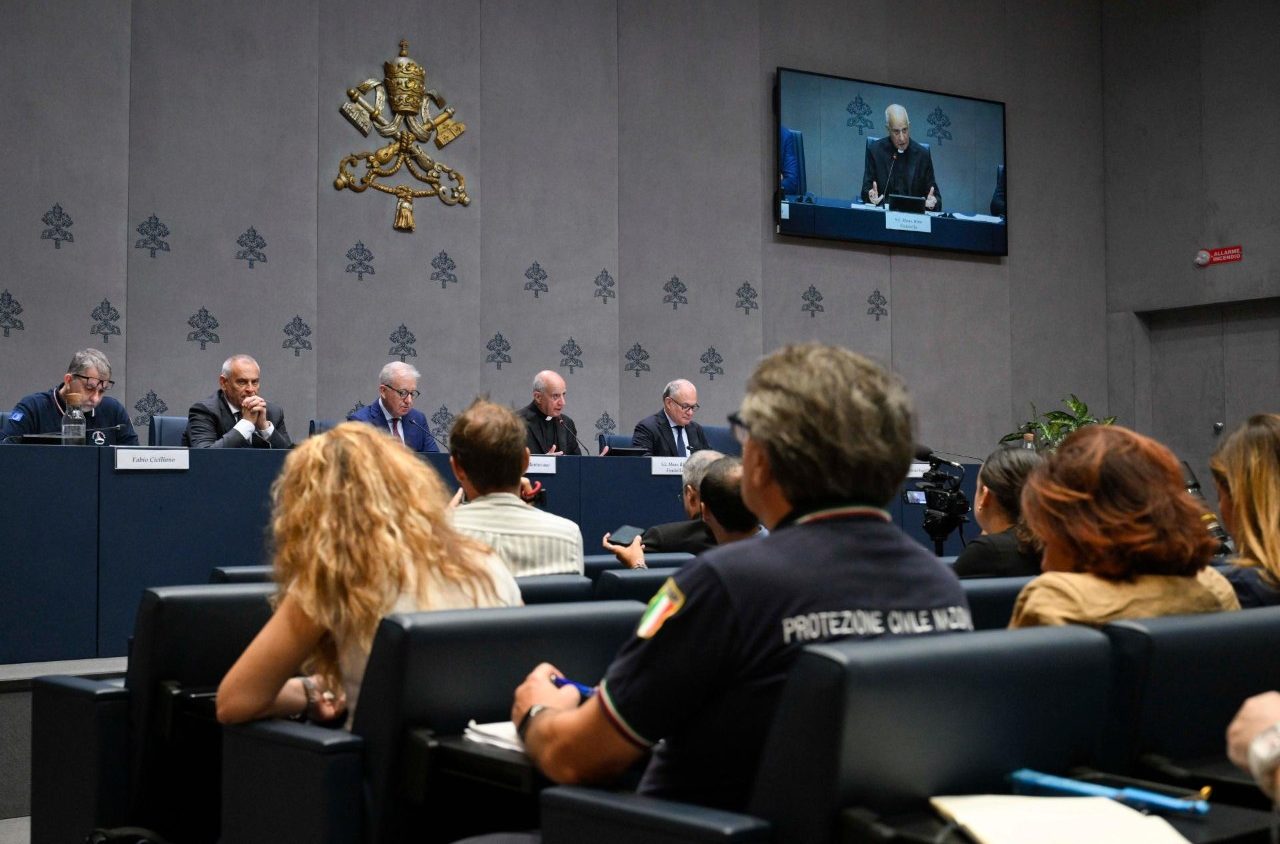
    The prayer vigil and Mass will be held at the same location as the 15th World Youth Day held in Rome at Tor Vergata

    The prayer vigil and Mass will be held at the same location as the 15th World Youth Day held in Rome at Tor Vergata

    The prayer vigil and Mass will be held at the same location as the 15th World Youth Day held in Rome at Tor Vergata

    Organizers in the Eternal City have been preparing for the crowds in every aspect, including how food will be provided. Archbishop Fisichella pointed out that there will be 20 food stations spread throughout the city, “in addition to the 3,500 vendors, young people will have the opportunity to register and receive lunch and dinner. Breakfast will be distributed at all the accommodation sites.” Even celiac options will be available for those who need it.

    An intense week of faith, fun, friendship

    The weeklong Jubilee will start with “Dialogue with the City”, which are 70 events spanning three days – Tuesday, Wednesday, and Thursday held in the different squares around Rome. These events are organized by different associations, groups, and bishops’ conferences.

    For example, the Duc in Altum theatre group will travel the streets of the city putting on a theatrical work on the life of St. Therese of Lisieux. Caritas Internationalis will have a stand with an interactive map with videos of young people involved in Caritas’ mission. Mary’s Meals will also be present, discussing the work they do to break the cycle of poverty for millions of children across the globe. 

    Ending the day will be the official welcome Mass in St. Peter’s Square at 7pm local time.

    Friday, 1 August will be dedicated to the sacrament of confession as the Circus Maximus will be decked out with tents and some 200 priests will be present, dedicated to offering the thousands of young people present the opportunity to take advantage of this penitential day.

    On the evening of Saturday, 2 August, one of the biggest events will be held at Tor Vergata – the same location of World Youth Day 2000. There, Pope Leo XIV will join the hundreds of thousands of young people for the prayer vigil, during which three people – one from Mexico, one from the United States, and one from Italy – will each ask the Pope a question.

    The Jubilee of Youth will close with a Mass presided over by Pope Leo XIV on Sunday 3 August.


    Source link

  • Jubilee of Youth: ‘A step towards building peace in the world’

    Jubilee of Youth: ‘A step towards building peace in the world’


    At a press conference in the Vatican, Archbishop Rino Fisichella explains how the Jubilee of Youth will offer “an embrace from all young people worldwide” to those living in war zones.

    By Kielce Gussie

    The Jubilee of Influencers and the Jubilee of Youth are next on the agenda for the events in the Jubilee Year of Hope. Ahead of the events taking place from 28 July – 3 August, Archbishop Rino Fisichella, the Pro-Prefect of the Dicastery for Evangelization, highlighted the multicultural and diverse events that will make up this Jubilee.

    Young people from all over the world are scheduled to arrive in the Eternal City to participate in what the Archbishop described as “probably the most anticipated moment” of the year.

    About 146 countries will be represented throughout the week, with 78% coming from European countries. The other 22% will travel from across the globe, including some young people from countries facing conflict such as Iraq, South Sudan, and Lebanon.

    “Essentially, this moment of celebration, this moment of joy, is also meant to offer them the embrace of all the young people from around the world – a gesture that symbolizes an authentic moment of peace and a step toward building peace in the world,” Archbishop Fisichella explained.

    Open doors for the hundred of thousands

    At least half a million young people are expected to arrive on 28 July, which “is an exceptionally significant figure”, the Pro-Prefect of the Dicastery for Evangelization said. For the thousands that will be in the city for this Jubilee, 370 churches, 400 school buildings, gyms, and a number of families will open their doors to house the young people.

    The prayer vigil and Mass will be held at the same location as the 15th World Youth Day held in Rome at Tor Vergata

    The prayer vigil and Mass will be held at the same location as the 15th World Youth Day held in Rome at Tor Vergata

    The prayer vigil and Mass will be held at the same location as the 15th World Youth Day held in Rome at Tor Vergata

    Organizers in the Eternal City have been preparing for the crowds in every aspect, including how food will be provided. Archbishop Fisichella pointed out that there will be 20 food stations spread throughout the city, “in addition to the 3,500 vendors, young people will have the opportunity to register and receive lunch and dinner. Breakfast will be distributed at all the accommodation sites.” Even celiac options will be available for those who need it.

    An intense week of faith, fun, friendship

    The weeklong Jubilee will start with “Dialogue with the City”, which are 70 events spanning three days – Tuesday, Wednesday, and Thursday held in the different squares around Rome. These events are organized by different associations, groups, and bishops’ conferences.

    For example, the Duc in Altum theatre group will travel the streets of the city putting on a theatrical work on the life of St. Therese of Lisieux. Caritas Internationalis will have a stand with an interactive map with videos of young people involved in Caritas’ mission. Mary’s Meals will also be present, discussing the work they do to break the cycle of poverty for millions of children across the globe. 

    Ending the day will be the official welcome Mass in St. Peter’s Square at 7pm local time.

    Friday, 1 August will be dedicated to the sacrament of confession as the Circus Maximus will be decked out with tents and some 200 priests will be present, dedicated to offering the thousands of young people present the opportunity to take advantage of this penitential day.

    On the evening of Saturday, 2 August, one of the biggest events will be held at Tor Vergata – the same location of World Youth Day 2000. There, Pope Leo XIV will join the hundreds of thousands of young people for the prayer vigil, during which three people – one from Mexico, one from the United States, and one from Italy – will each ask the Pope a question.

    The Jubilee of Youth will close with a Mass presided over by Pope Leo XIV on Sunday 3 August.


    Source link

  • World Court says countries are legally obligated to curb emissions, protect climate

    World Court says countries are legally obligated to curb emissions, protect climate


    The UN’s principal judicial body ruled that States have an obligation to protect the environment from greenhouse gas (GHG) emissions and act with due diligence and cooperation to fulfill this obligation.  

    This includes the obligation under the Paris Agreement on climate change to limit global warming to 1.5°C above pre-industrial levels.  

    The Court further ruled that if States breach these obligations, they incur legal responsibility and may be required to cease the wrongful conduct, offer guarantees of non-repetition and make full reparation depending on the circumstances. 

    ‘A victory for our planet’

    UN Secretary-General António Guterres issued a video message welcoming the historic decision, which came a day after he delivered a special address to Member States on the unstoppable global shift to renewable energy. 

    “This is a victory for our planet, for climate justice and for the power of young people to make a difference,” he said.

    Reasoning of the Court

    The Court used Member States’ commitments to both environmental and human rights treaties to justify this decision.  

    Firstly, Member States are parties to a variety of environmental treaties, including ozone layer treaties, the Biodiversity Convention, the Kyoto Protocol, the Paris Agreement and many more, which oblige them to protect the environment for people worldwide and in future generations.  

    But, also because “a clean, healthy and sustainable environment is a precondition for the enjoyment of many human rights,” since Member States are parties to numerous human rights treaties, including the  Universal Declaration of Human Rights, they are required to guarantee the enjoyment of such rights by addressing climate change.  

    Case background

    In September 2021, the Pacific Island State of Vanuatu announced that it would seek an advisory opinion from the Court on climate change. This initiative was inspired by the youth group Pacific Island Students Fighting Climate Change, which underscored the need to act to address climate change, particularly in small island States.

    After the country lobbied other UN Member States to support this initiative in the General Assembly, on 29 March 2023, it adopted a resolution requesting an advisory opinion from the ICJ on two questions: (1) What are the obligations of States under international law to ensure the protection of the environment? and (2) What are the legal consequences for States under these obligations when they cause harm to the environment?

    The UN Charter allows the General Assembly or the Security Council to request the ICJ to provide an advisory opinion. Even though advisory opinions are not binding, they carry significant legal and moral authority and help clarify and develop international law by defining States’ legal obligations.

    This is the largest case ever seen by the ICJ, evident by the number of written statements (91) and States that participated in oral proceedings (97).

    The ‘World Court’

    The ICJ, informally known as the “World Court”, settles legal disputes between UN Member States and gives advisory opinions on legal questions that have been referred to it by UN organs and agencies.

    It is one of the six main organs of the UN alongside the General Assembly, the Security Council, the Economic and Social Council (ECOSOC), the Trusteeship Council and the Secretariat and is the only one not based in New York. 


    Source link

  • Over 1,000 Gaza aid-seekers killed by Israeli forces since May: U.N. : NPR

    Over 1,000 Gaza aid-seekers killed by Israeli forces since May: U.N. : NPR


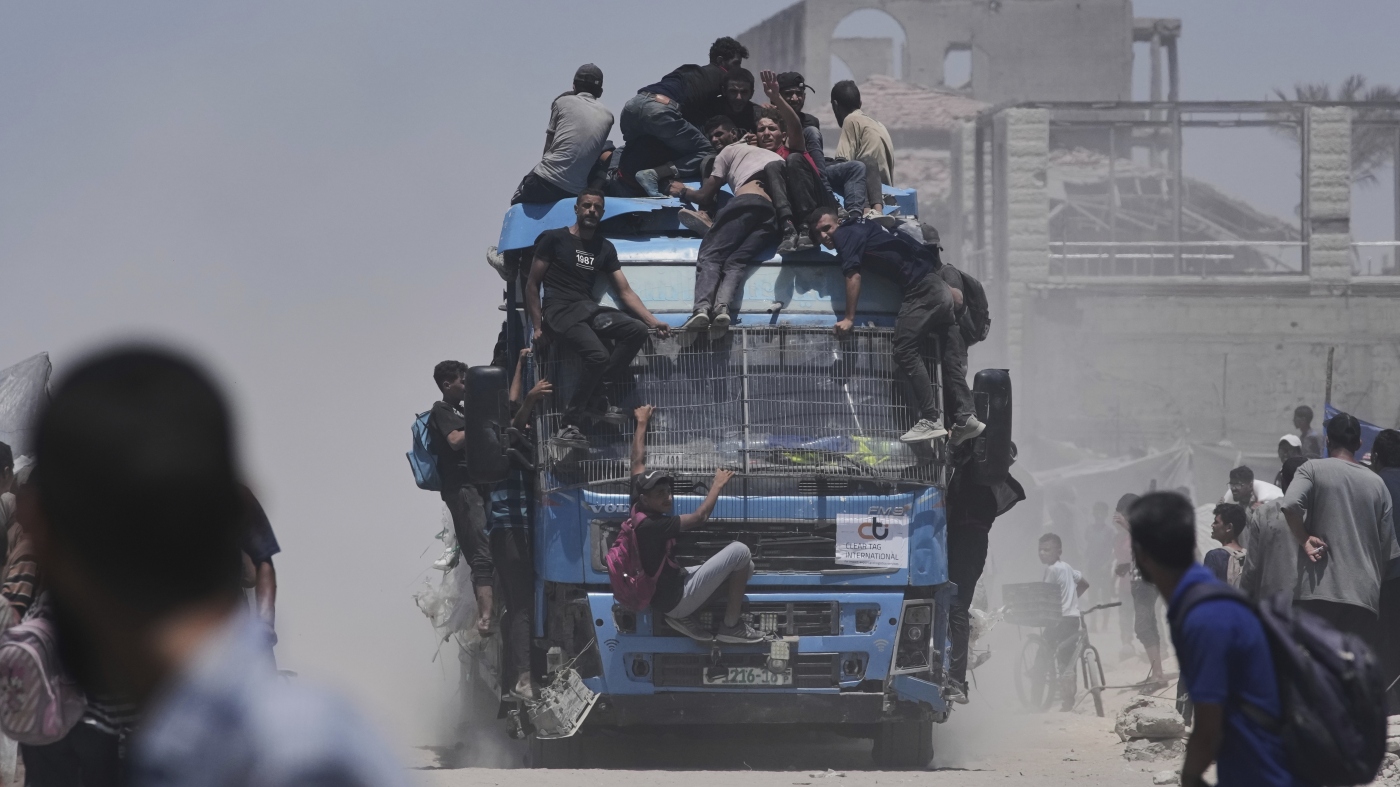
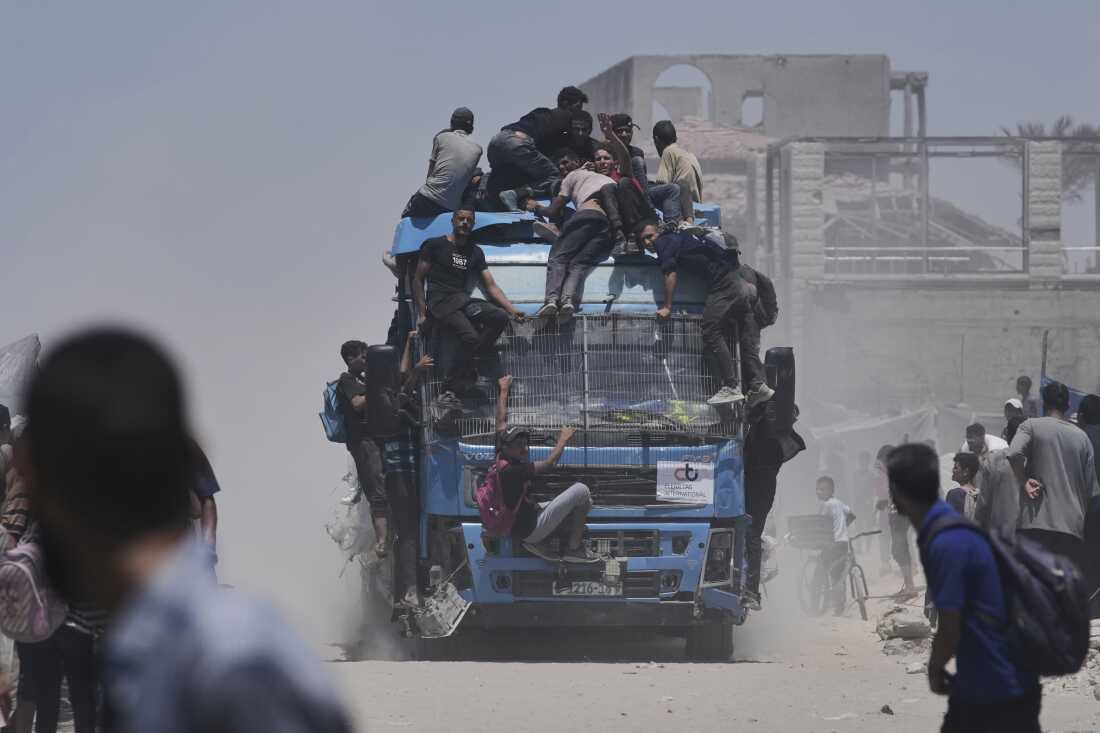
    Palestinians hold onto an aid truck returning to Gaza City from the northern Gaza Strip on Tuesday.

    Palestinians hold onto an aid truck returning to Gaza City from the northern Gaza Strip on Tuesday.

    Jehad Alshrafi/AP


    hide caption

    toggle caption

    Jehad Alshrafi/AP

    DEIR AL-BALAH, Gaza Strip — More than 1,000 Palestinians have been killed by Israeli forces since May while trying to get food in the Gaza Strip, mostly near aid sites run by an American contractor, the U.N. human rights office said Tuesday.

    Meanwhile, Israeli strikes killed 25 people across Gaza, according to local health officials.

    Desperation is mounting in the Palestinian territory of more than 2 million, which experts say is at risk of famine because of Israel’s blockade and nearly two-year offensive. A breakdown of law and order has led to widespread looting and contributed to chaos and violence around aid deliveries.

    Israel accuses Hamas of siphoning off aid — without providing evidence of widespread diversion — and blames U.N. agencies for failing to deliver food it has allowed in. The military says it has only fired warning shots near aid sites. The Gaza Humanitarian Foundation, an Israeli-backed American contractor, rejected what it said were “false and exaggerated statistics” from the United Nations.

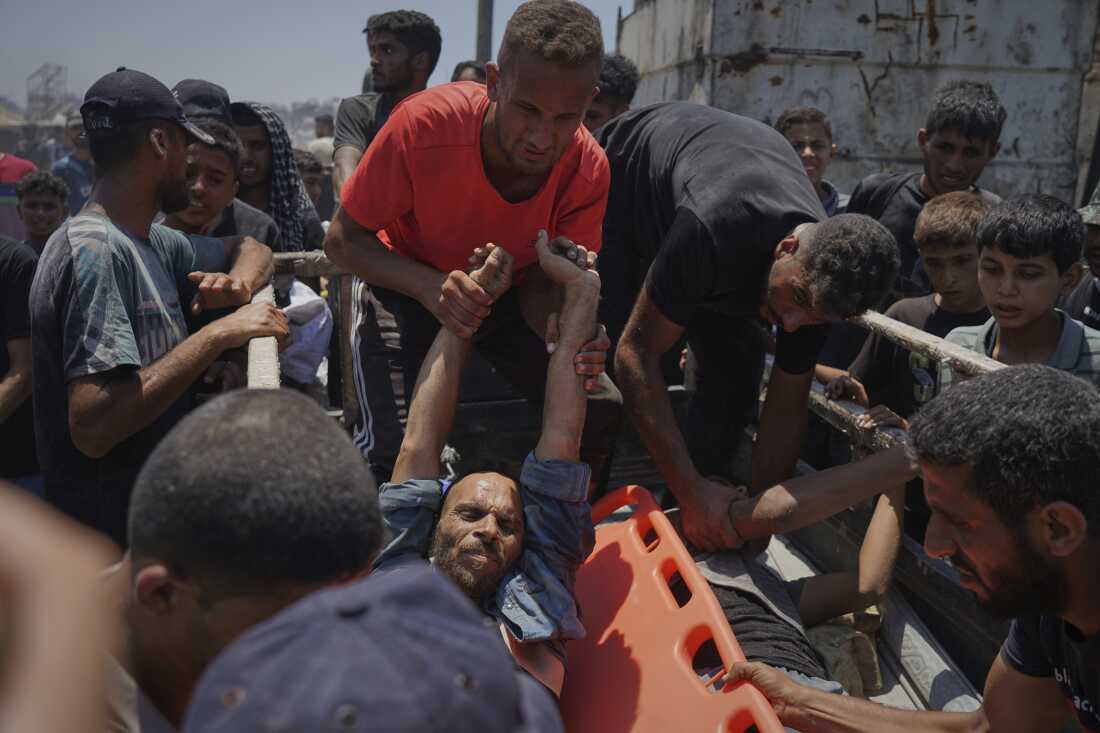
    Injured Palestinians are transferred to an ambulance after being wounded while waiting for aid arriving from the northern Gaza Strip, in Gaza City, Tuesday.

    Injured Palestinians are transferred to an ambulance after being wounded while waiting for aid arriving from the northern Gaza Strip, in Gaza City, Tuesday.

    Jehad Alshrafi/AP


    hide caption

    toggle caption

    Jehad Alshrafi/AP

    The Gaza Health Ministry, which is part of the Hamas-run government and staffed by medical professionals, said Tuesday that 80 children have died from starvation since the beginning of the war, while 21 adults have since Sunday. The ministry only recently began tracking deaths from malnutrition in adults.

    The deaths could not be independently verified, but U.N. officials and major international aid groups say the conditions for starvation exist in Gaza. During hunger crises, people can die from malnutrition or from common illnesses or injuries that the body is not strong enough to fight.

    Israel eased a 2½-month blockade in May, allowing a trickle of aid in through the longstanding U.N.-run system and the newly created GHF. Aid groups say it’s not nearly enough.

    “I do it for my children”

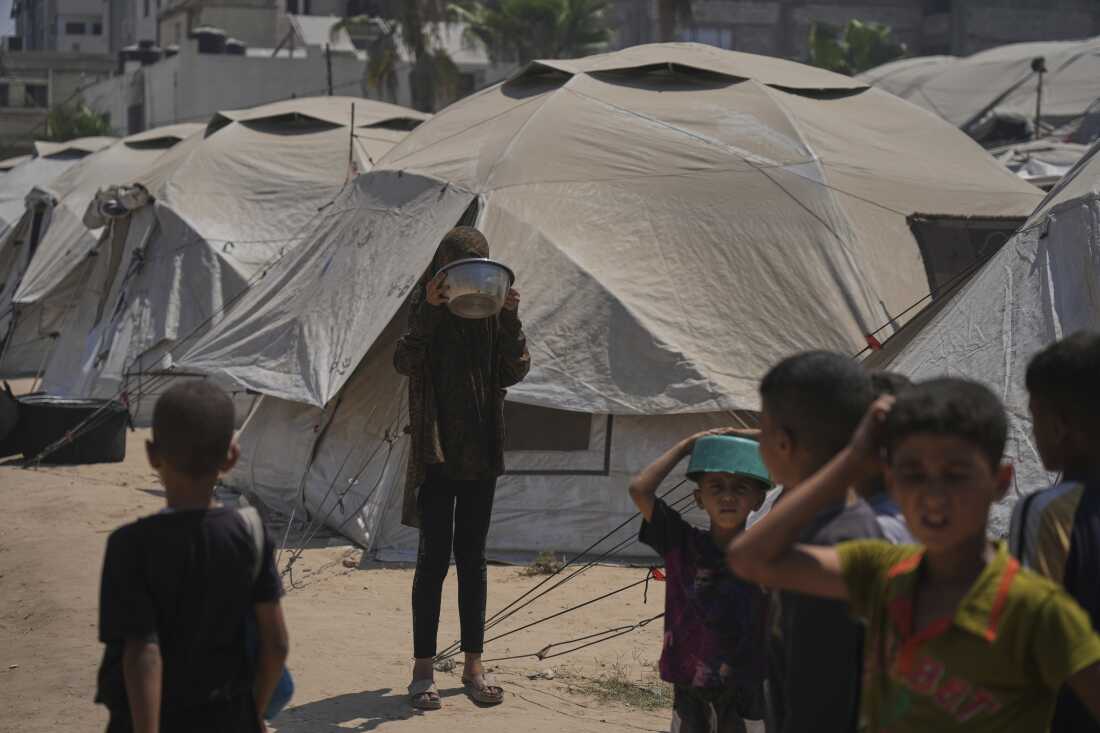
    Dozens of Palestinians lined up Tuesday outside a charity kitchen in Gaza City, hoping for a bowl of watery tomato soup. The lucky ones got small chunks of eggplant. As supplies ran out, people holding pots pushed and shoved to get to the front.

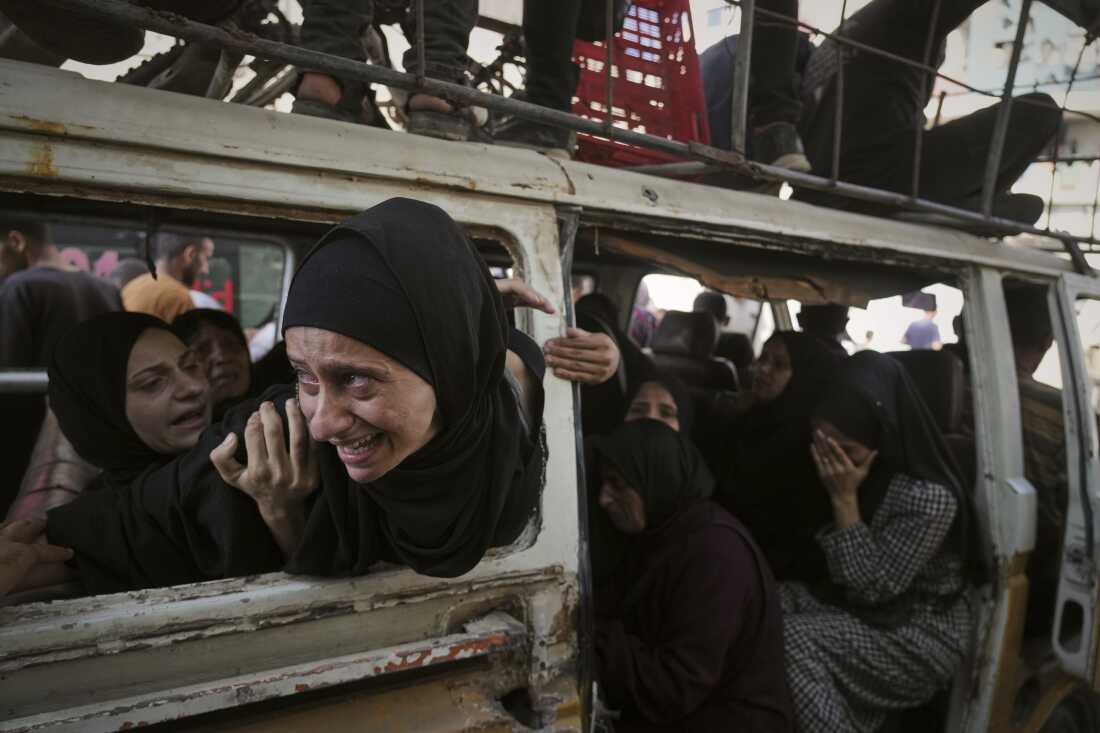
    Palestinians mourn their relatives killed from an Israeli army bombardment of Gaza, at Shifa Hospital in Gaza City, Tuesday.

    Palestinians mourn their relatives killed from an Israeli army bombardment of Gaza, at Shifa Hospital in Gaza City, Tuesday.

    Jehad Alshrafi/AP


    hide caption

    toggle caption

    Jehad Alshrafi/AP

    Nadia Mdoukh, a pregnant woman who was displaced from her home and lives in a tent with her husband and three children, said she worries about being shoved or trampled on, and about heat stroke as daytime temperatures hover above 90 F (32 C).

    “I do it for my children,” she said. “This is famine — there is no bread or flour.”

    The U.N. World Food Program says Gaza’s hunger crisis has reached “new and astonishing levels of desperation.” Ross Smith, the agency’s director for emergencies, told reporters Monday that nearly 100,000 women and children are suffering from severe acute malnutrition, and a third of Gaza’s population is going without food for multiple days in a row.

    MedGlobal, a charity working in Gaza, said five children as young as 3 months had died from starvation in the past three days.

    “This is a deliberate and human-made disaster,” said Joseph Belliveau, its executive director. “Those children died because there is not enough food in Gaza and not enough medicines, including IV fluids and therapeutic formula, to revive them.”

    The charity said food is in such short supply that its own staff members suffer dizziness and headaches.

    Aid delivery model criticized

    Of the 1,054 people killed while trying to get food since late May, 766 were killed while heading to sites run by the Gaza Humanitarian Foundation, according to the U.N. human rights office. The others were killed when gunfire erupted around U.N. convoys or aid sites.

    Thameen al-Kheetan, a spokesperson for the U.N. rights office, says its figures come from “multiple reliable sources on the ground,” including medics, humanitarian and human rights organizations. He said the numbers were still being verified according to the office’s strict methodology.

    Palestinian witnesses and health officials say Israeli forces regularly fire toward crowds of thousands of people heading to the GHF sites. The military says it has only fired warning shots, and GHF says its armed contractors have only fired into the air on a few occasions to try to prevent stampedes.

    Displaced Palestinians wait for donated food at a community kitchen in Gaza City, northern Gaza Strip, Tuesday.

    Displaced Palestinians wait for donated food at a community kitchen in Gaza City, northern Gaza Strip, Tuesday.

    Jehad Alshrafi/AP


    hide caption

    toggle caption

    Jehad Alshrafi/AP

    A joint statement from 28 Western-aligned countries on Monday condemned the “the drip feeding of aid and the inhumane killing of civilians.”

    “The Israeli government’s aid delivery model is dangerous, fuels instability and deprives Gazans of human dignity,” read the statement, which was signed by the United Kingdom, France and other countries friendly to Israel. “The Israeli government’s denial of essential humanitarian assistance to the civilian population is unacceptable.”

    Israel and the United States rejected the statement, blaming Hamas for prolonging the war by not accepting Israeli terms for a ceasefire and the release of hostages abducted in the militant-led attack on southern Israel on Oct. 7, 2023, which triggered the fighting.

    Hamas has said it will release the remaining hostages only in return for a lasting ceasefire and an Israeli withdrawal. Israel says it will keep fighting until Hamas has been defeated or disarmed.

    Strikes on tents sheltering the displaced

    Israeli strikes killed at least 25 people Tuesday across Gaza, according to local health officials.

    One strike hit tents sheltering displaced people in the built-up seaside Shati refugee camp in Gaza City, killing at least 12 people, according to Shifa Hospital, which received the casualties. The Israeli military said that it wasn’t aware of such a strike by its forces.

    The dead included three women and three children, the hospital director, Dr. Mohamed Abu Selmiya, told The Associated Press. Thirty-eight other Palestinians were wounded, he said.

    An overnight strike that hit crowds of Palestinians waiting for aid trucks in Gaza City killed eight, hospitals said. At least 118 were wounded, according to the Palestinian Red Crescent.

    “A bag of flour covered in blood and death,” said Mohammed Issam, who was in the crowd and said some people were run over by trucks in the chaos. “How long will this humiliation continue?”

    The Israeli military had no immediate comment on that strike. Israel blames the deaths of Palestinian civilians on Hamas, because the militants operate in densely populated areas.

    Israel renewed its offensive in March with a surprise bombardment after ending an earlier ceasefire. Talks on another truce have dragged on for weeks despite pressure from U.S. President Donald Trump.

    Hamas-led militants abducted 251 people in the Oct. 7 attack, and killed around 1,200 people. Fewer than half of the 50 hostages still in Gaza are believed to be alive.

    More than 59,000 Palestinians have been killed during the war, according to Gaza’s Health Ministry. Its count doesn’t distinguish between militants and civilians, but the ministry says that more than half of the dead are women and children. The U.N. and other international organizations see it as the most reliable source of data on casualties.


    Source link